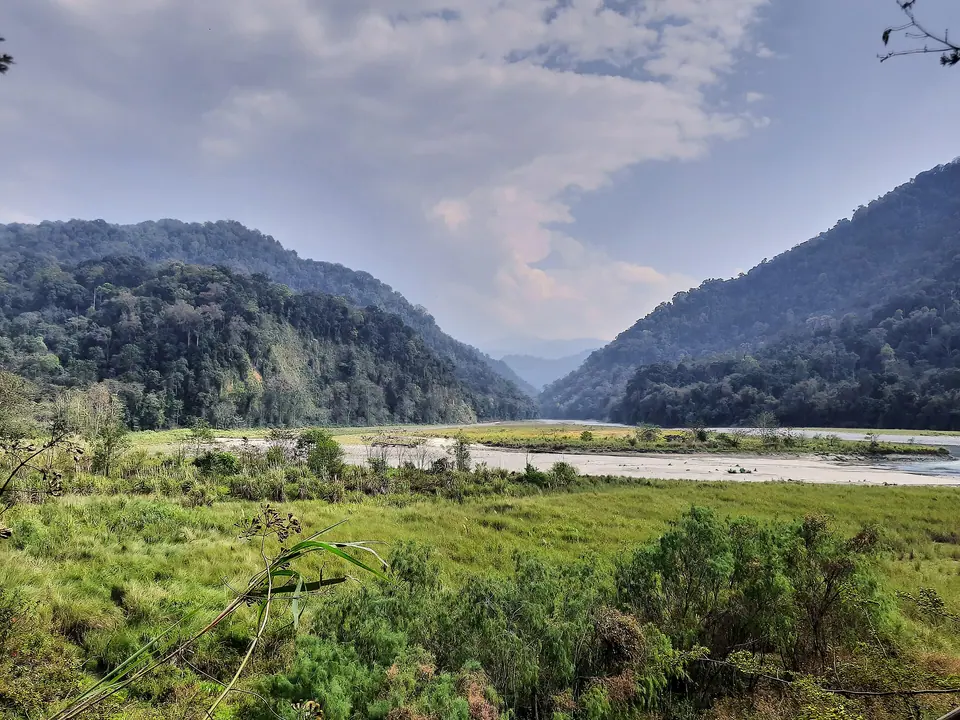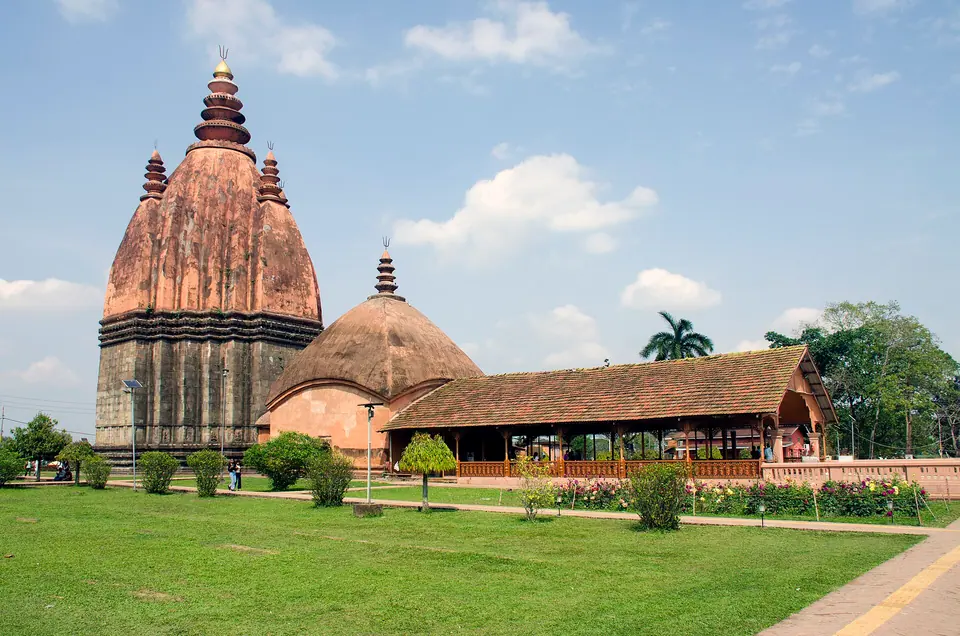

Dibru-Saikhowa National Park is a 350 sq km park of river islands, grassland and swamp forest between the Brahmaputra, Lohit and Dibru rivers, near Tinsukia. You explore it by motorboat from Guijan Ghat, about 60 km (1.5 hours) from Dibrugarh, looking for feral horses, Gangetic dolphins and winter birds. Go from November to April.
Dibru-Saikhowa is a park you see from the water. It lies on a large island hemmed in by the Brahmaputra and Lohit to the north and the Dibru river to the south, and the channels shift every year with the floods. Registered motorboats from Guijan Ghat, near Tinsukia, take you along the channels and land you on grassy river islands called chaporis.
The park was declared a reserved forest in 1890, became a biosphere reserve in 1997 and a national park in 1999. It has one of the largest salix swamp forests in the Northeast and is known among birders for species such as the black-breasted parrotbill, the Jerdon's babbler and the marsh babbler, plus big flocks of winter ducks. Gangetic river dolphins surface in the deeper channels.
The best-known residents are feral horses, descendants of army horses released after the Second World War, which graze on the northern chaporis. We treat a day here as a slow river trip rather than a safari. Some areas can be closed or affected by high water, so check current status before you travel.
What makes it worth the trip
Boat safari from Guijan Ghat
Motorboat trips of 3 to 5 hours along the river channels, with stops on grassy islands. Hire a registered boat and a local guide at the ghat.
Feral horses
Wild-living horses descended from Second World War army horses, usually seen on chaporis in the northern part of the park.
Gangetic river dolphins
Endangered freshwater dolphins surface briefly in deeper channels. Watch the water quietly with the engine off.
Grassland birds
Specialists such as the black-breasted parrotbill and marsh babbler, and winter ducks, storks and raptors on the channels.
Maguri Motapung Beel
A wetland near Guijan, popular with birders for winter ducks and grassland species, often visited by country boat before or after the park.
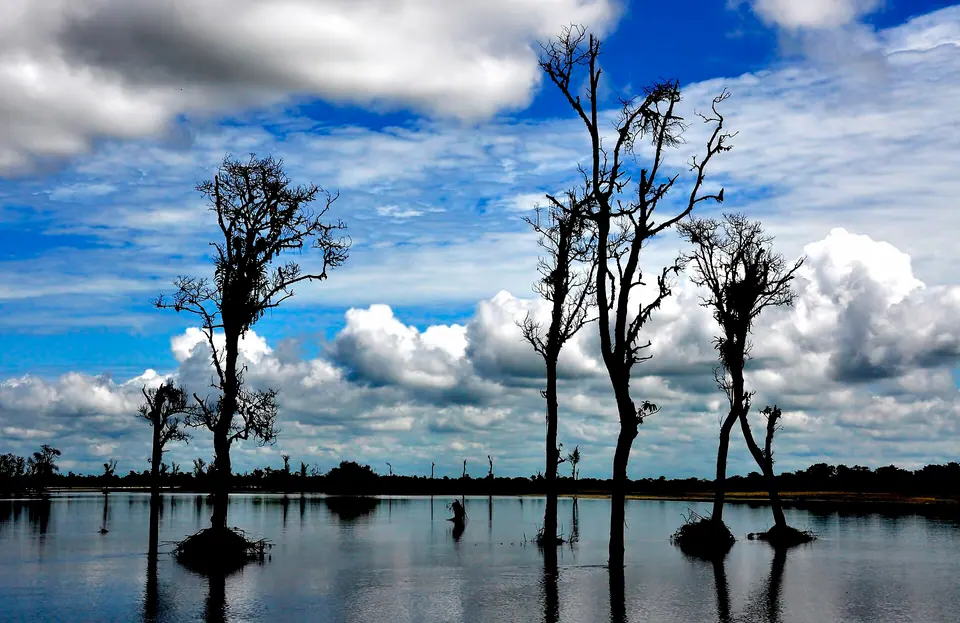 Dhruba Jyoti Baruah · Commons · CC BY-SA 4.0
 Shibanigogoi · Commons · CC BY-SA 4.0
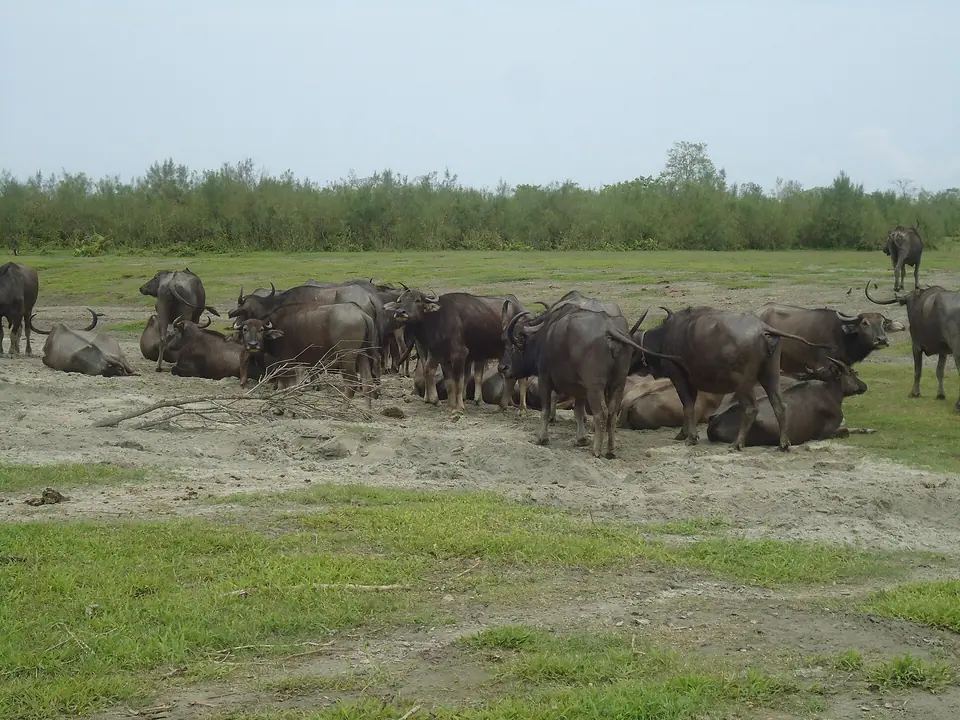 BANDITA PATHAK · Commons · CC BY-SA 4.0
Things to do
- Take a half-day or full-day motorboat safari from Guijan Ghat
- Land on the chaporis to look for feral horses with your guide
- Watch for Gangetic dolphins in the deeper channels
- Go birding with a local guide for grassland specialists and winter ducks
- Paddle a country boat on Maguri Motapung Beel at dawn
- Stay a night in an eco-camp or homestay near Guijan for an early start
- Combine the park with Dibrugarh's tea bungalows or a trip to Digboi
Getting there
Fly into Dibrugarh airport at Mohanbari, which has direct flights from Delhi, Kolkata and Guwahati. From Dibrugarh it is about 60 km to Guijan Ghat via Tinsukia, a drive of 1.5 to 2 hours. Tinsukia, about 10 to 13 km from Guijan, is the nearest large railway station, with trains from Guwahati and beyond; New Tinsukia Junction is also nearby. From the ghat, all travel into the park is by boat. Saikhowa Ghat, about 50 km from Tinsukia, is a less-used second entry point.
Where to stay
Most visitors stay in Dibrugarh, ideally in a heritage tea bungalow, and come for a long day. If you want to be on the river at dawn, a number of eco-camps, tented camps and homestays around Guijan and the Maguri beel offer simple rooms, local meals and help with boats and bird guides. Tinsukia town has basic business hotels. Facilities near the park are simple, with limited hot water and power, but the early starts are worth it for birders.
Local tips
- Start early; mornings are calmer on the water and better for birds and dolphins
- Hire a registered boat and a local guide at Guijan Ghat, and agree the route and duration first
- Carry life jackets or check that the boat has them for every passenger
- Pack sun protection, water and snacks for a long day on the river
- Channels change after each monsoon and some areas may be off-limits; check current status before you travel
- Wear shoes you can get wet when landing on sandbanks
Rain and weather
Source: IMD 1991–2020 normals (Tezpur)
November to April, when river channels are calm, water levels are low and migratory birds are present.