
Kamakhya Temple stands on Nilachal Hill, about 8 km west of central Guwahati, and is one of the most revered Shakti peethas. Darshan usually runs from about 8 am to 1 pm and 2.30 pm to 5.15 pm. The sanctum closes for three days during the Ambubachi Mela in late June. Go early to beat long queues.
Kamakhya is the reason many pilgrims come to Guwahati at all. The temple sits on Nilachal Hill above the Brahmaputra, and its main shrine has no idol: devotees worship a stone yoni in a dark, damp chamber below ground level, fed by a natural spring. It is counted among the oldest of the 51 Shakti peethas.
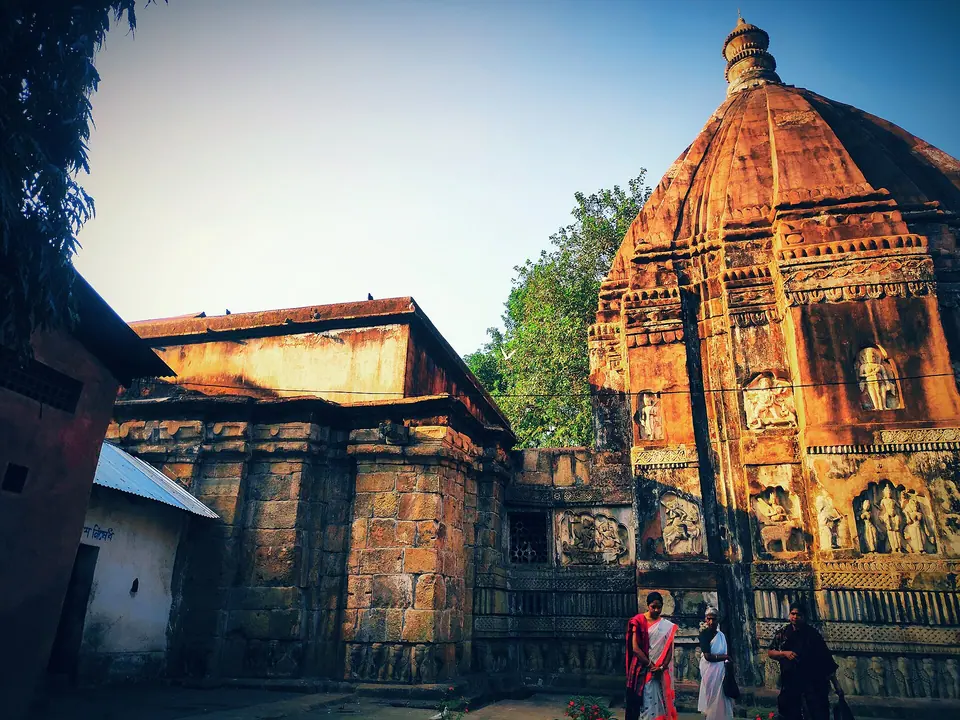
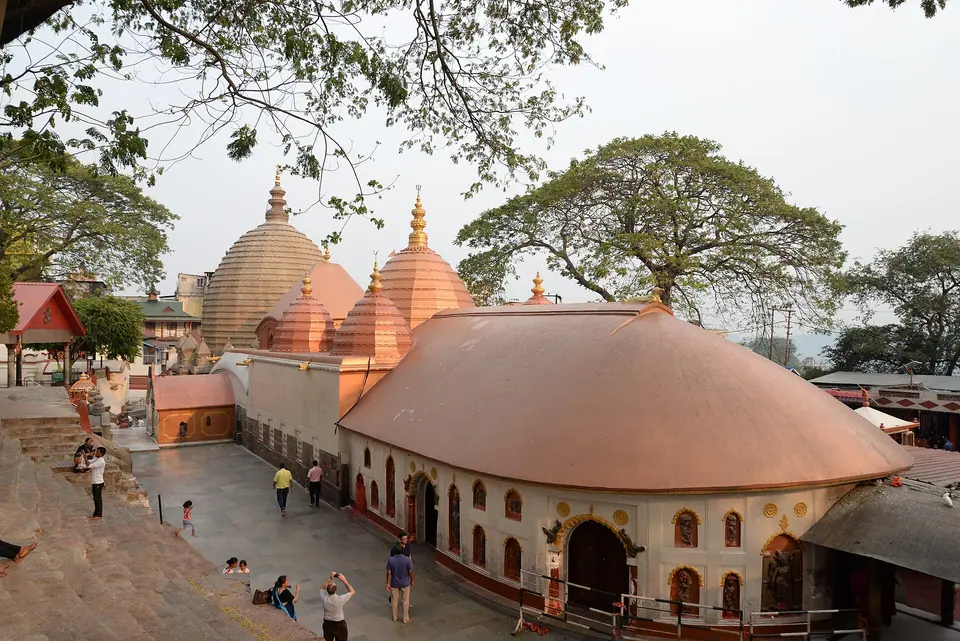
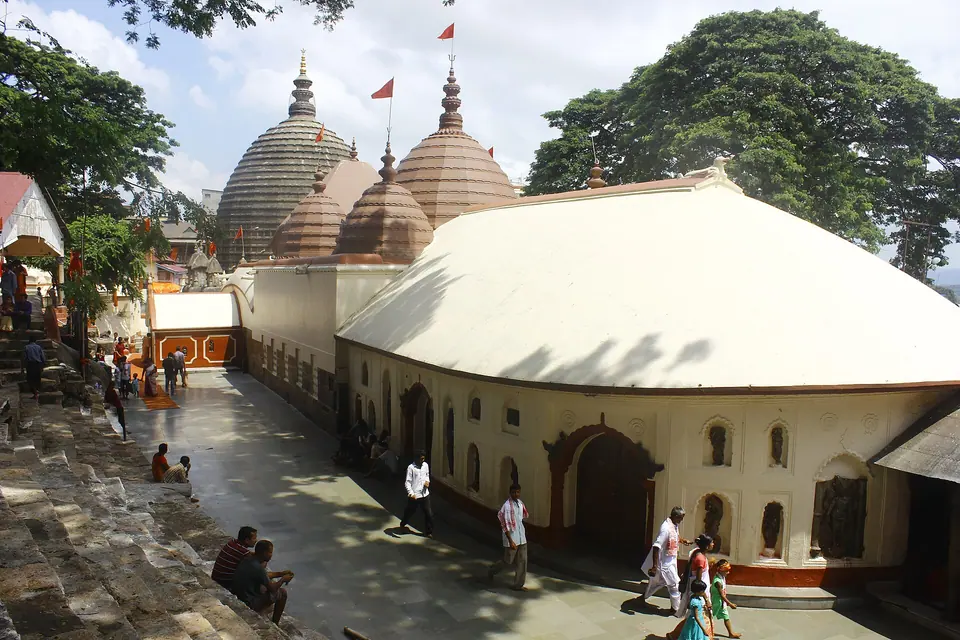
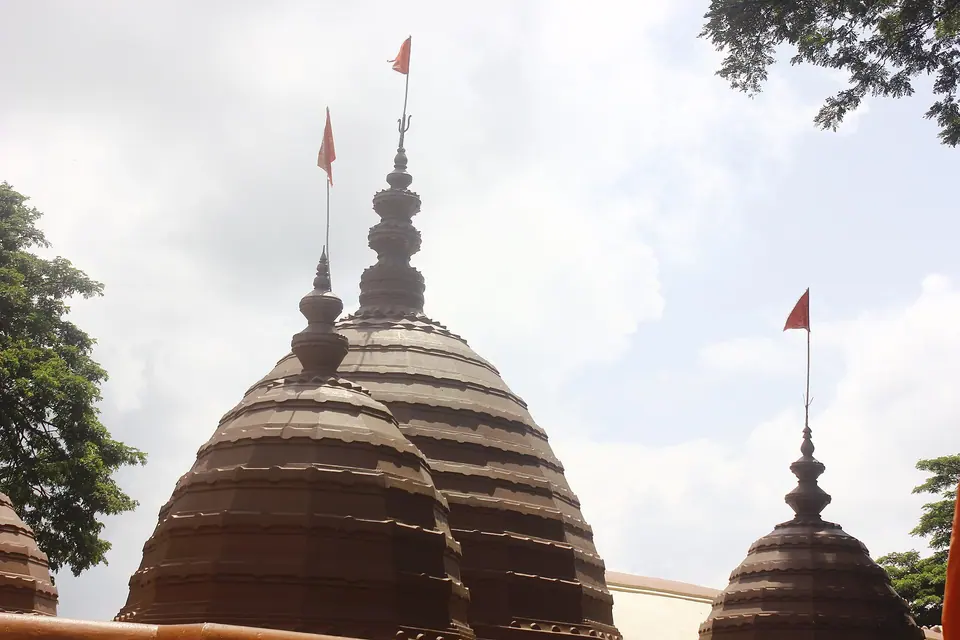
The present structure dates from 1565, when the Koch general Chilarai rebuilt it under King Nara Narayan; the beehive-shaped dome is brick on a stone base. Around the main shrine stand separate temples of the Dasa Mahavidya, the ten forms of the goddess, spread across the hilltop. A large corridor redevelopment project began in 2024, so expect construction and changed entry routes; check current status before you travel.
Be ready for crowds. On weekends, Tuesdays, Saturdays and festival days the general queue can take three to four hours. Animal sacrifice is still practised here, mostly in the mornings, which some visitors find hard to see. We usually suggest an opening-time visit, followed by the walk up to Bhubaneswari temple for the view over Guwahati.
What makes it worth the trip
The garbhagriha
The underground sanctum with the spring-fed yoni stone. Steps are steep and wet, the chamber is lit by oil lamps, and you get only a few seconds inside.
Dasa Mahavidya shrines
Separate temples to Kali, Tara, Bhuvaneshvari, Bagalamukhi and the other Mahavidyas are scattered over the hill. A walk around them takes about an hour.
Ambubachi Mela
Held every June, marking the goddess's annual menstruation. The sanctum closes for three days and hundreds of thousands of pilgrims and sadhus gather on the hill.
Bhubaneswari temple viewpoint
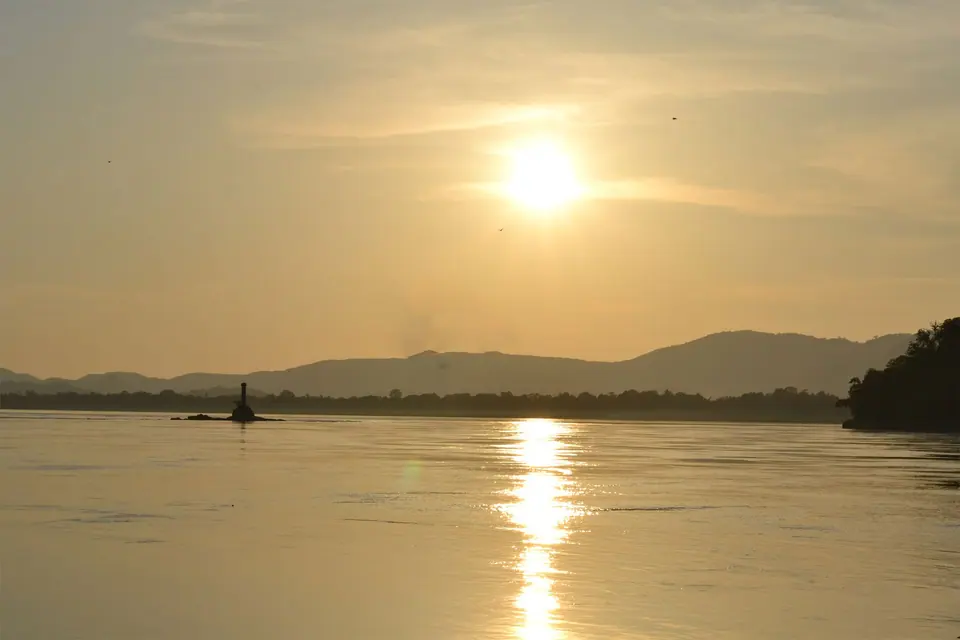
At the top of Nilachal Hill, a short drive or 15-minute walk above Kamakhya, with a wide view over the Brahmaputra and the city.
Temple architecture
The Nilachal style of beehive dome over a cruciform plan, with carved stone panels reused from older temples. Look at the outer walls while you queue.
 Devkmaravi · Commons · CC BY-SA 4.0
 Deeporaj · Commons · CC BY-SA 4.0
 Deeporaj · Commons · CC BY-SA 4.0
Things to do
- Join the free general queue early, well before the 8 am opening, or book a general-queue slot online through the temple website
- Consider special darshan at INR 501 per person if you are short of time; book through the official temple website or counter
- Walk the circuit of the Dasa Mahavidya shrines after darshan
- Continue to Bhubaneswari temple at the hilltop for the city and river view
- Buy prasad, red chunri and brass items at the stalls along the approach
- Time a visit for Durga Puja, Manasa Puja or Ambubachi if you want to see festival rituals
- Combine Kamakhya with the Umananda ferry and a sunset river cruise the same day
Getting there
Kamakhya is on Nilachal Hill, about 8 km from Paltan Bazaar and the main Guwahati railway station, and roughly 20 km from Guwahati airport. Kamakhya Junction railway station is about 6 km away at Maligaon. App cabs and autos run up the hill road to the parking area near the main gate; city buses stop at the foot of the hill, where shared vehicles take you up. There is also an old stepped path, the Mekhelaujua path, for those who want to climb on foot. During Ambubachi, private vehicles are restricted and shuttle buses run from the base.
Where to stay
Most visitors stay in Guwahati and do Kamakhya as a morning trip. Paltan Bazaar and the Maligaon side are closest, with budget and mid-range hotels 15 to 25 minutes from the gate. GS Road hotels are 30 to 45 minutes away depending on traffic. There are guest houses and dharamshalas on and around Nilachal Hill, useful for a pre-dawn queue, but they fill fast in June and at Navaratri. For Ambubachi, book months ahead or stay in North Guwahati and accept a longer commute.
Local tips
- Regular darshan is usually about 8 am to 1 pm and 2.30 pm to 5.15 pm, with changes on festival days; check current status before you travel
- Leave shoes, leather belts and wallets at the stands; phones and cameras are not allowed inside the sanctum
- Wear clothes you can kneel and climb in; the sanctum steps are wet and slippery
- Only pay for special entry at the official counter and ignore touts offering quick darshan
- If animal sacrifice will upset you or your children, visit later in the morning and avoid the sacrifice area near the main shrine
- Ambubachi dates are fixed by the Hindu calendar, usually around 22 to 26 June; the sanctum is shut for three days
Rain and weather
Source: IMD 1991–2020 normals
October to March for cooler queues; avoid Ambubachi week in late June unless you want the festival crowds.