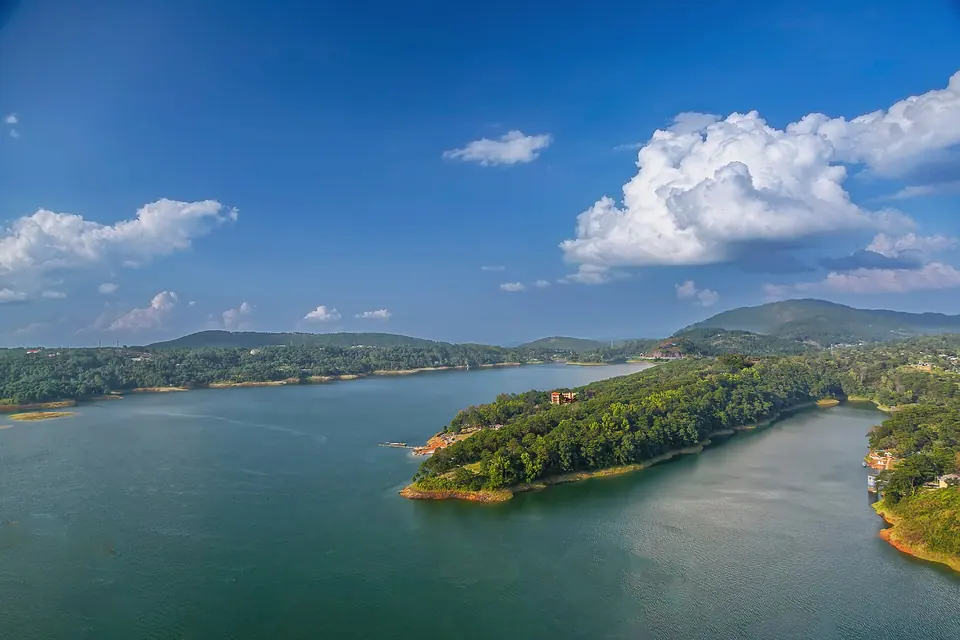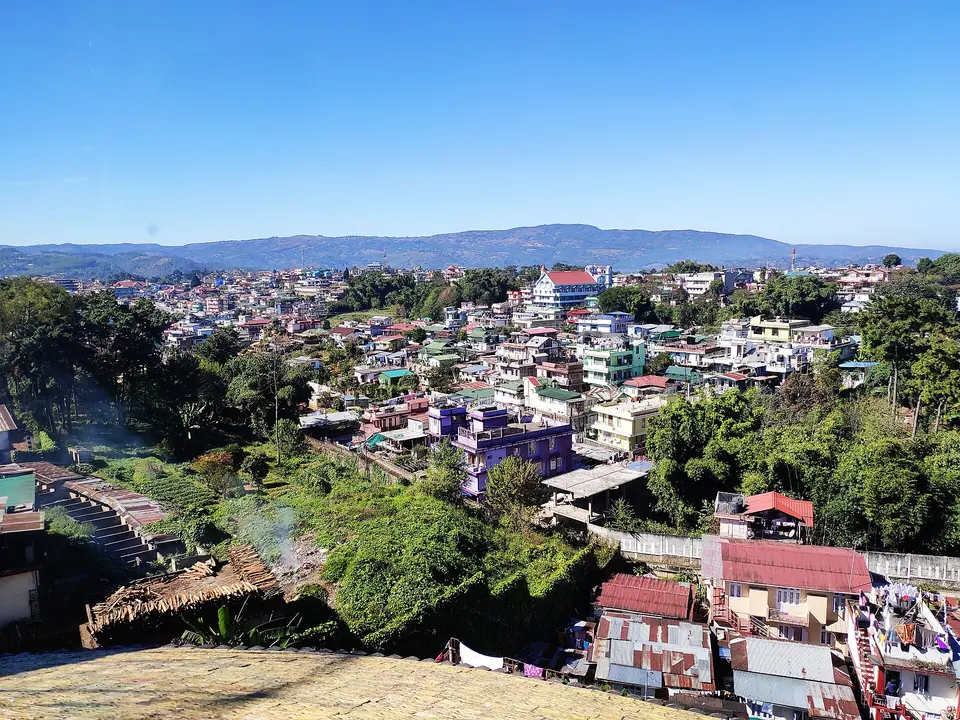

Sohra, still widely called Cherrapunji, is a plateau town at about 1,480 m, 54 km (1.5 to 2 hours) south of Shillong. It is among the wettest places on Earth, averaging about 11,200 mm of rain a year. Base here for Nohkalikai Falls, Mawsmai Cave and the Nongriat root bridges. No permit is needed.
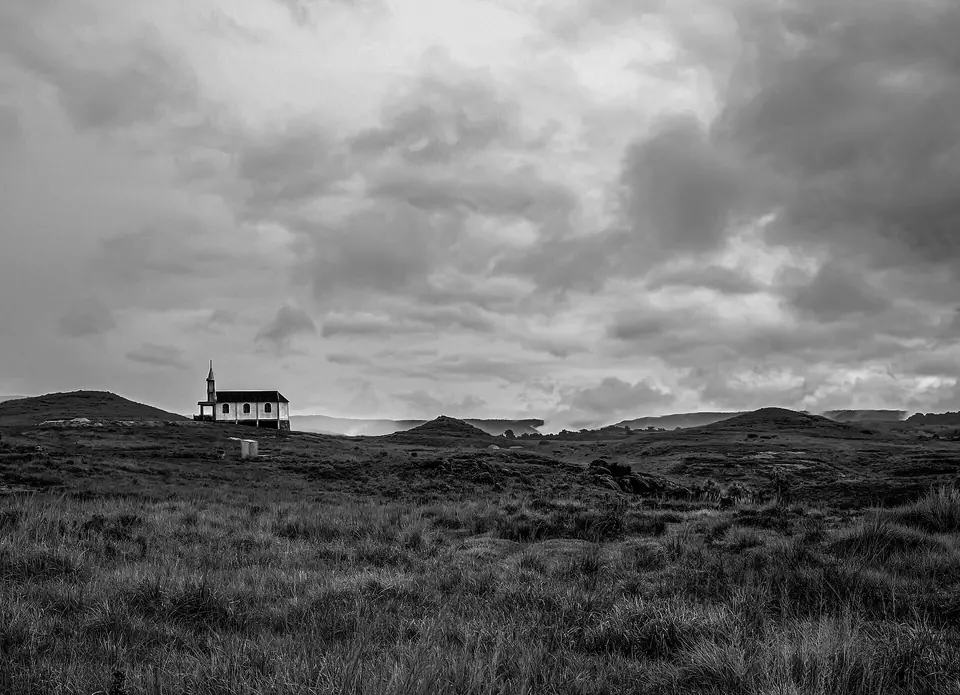
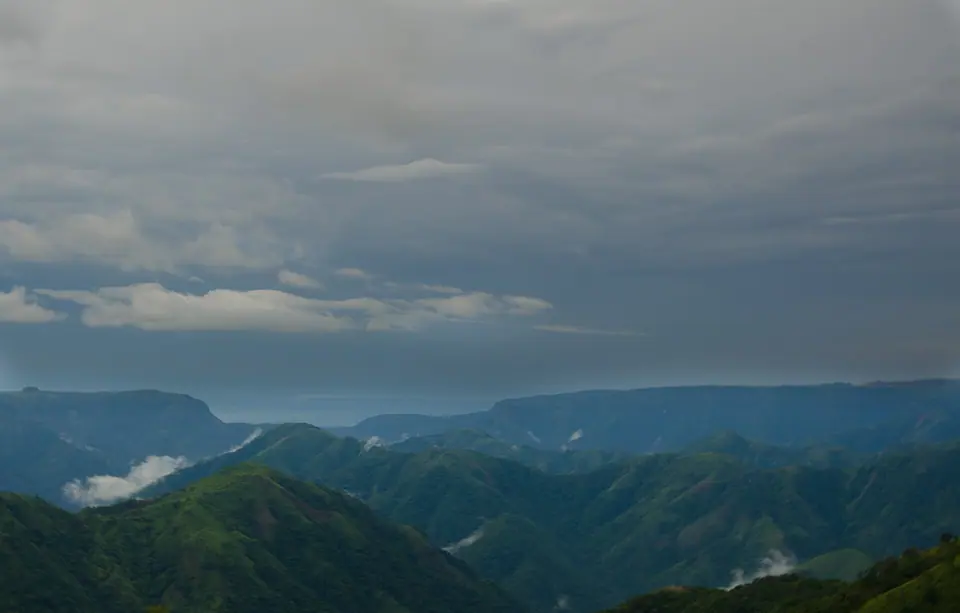
Sohra sits on the southern edge of the Khasi Hills plateau at about 1,480 m. South of town the land drops sharply towards the Bangladesh plains, and that wall of hills catches monsoon cloud coming off the Bay of Bengal. The result is some of the heaviest rainfall on the planet: an average of about 11,200 mm a year on the IMD 1991–2020 normal, with June and July each bringing more rain than Guwahati gets in a year, and a recorded 26,461 mm in the twelve months from August 1860 to July 1861.
The town itself is small: a market, the Ramakrishna Mission, a few churches and a spread of homestays and resorts along the roads south and west. What people come for is around it. Nohkalikai Falls is 5 km west, Mawsmai Cave about 4 km south, the Seven Sisters falls near Mawsmai, and Tyrna, the start of the Nongriat root bridge trek, about 12 km south-east.
We plan at least two nights here. The Shillong–Sohra road is 54 km, but the sights are spread across several small roads, fog can close in by noon, and the root bridge trek takes most of a day on its own. The dry months give views; the monsoon gives water, and you will need both patience and a rain jacket.
What makes it worth the trip
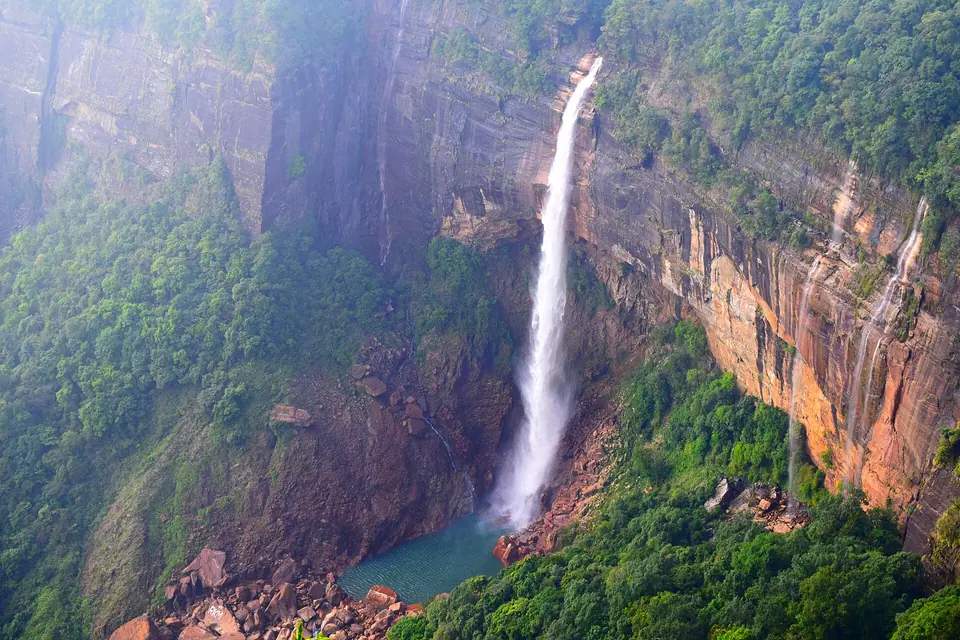
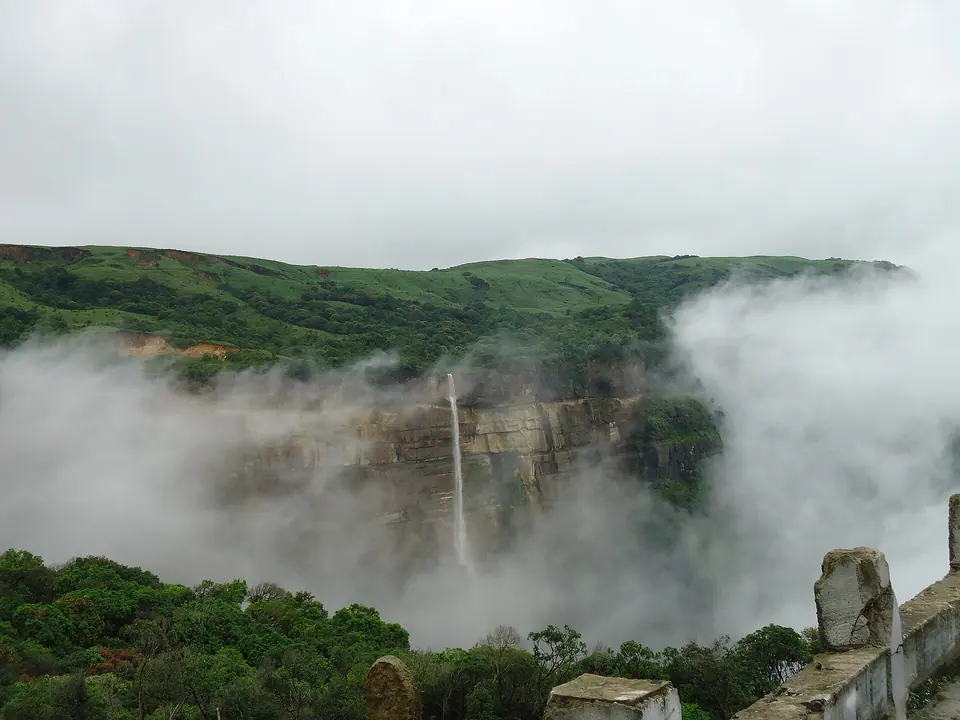
Nohkalikai Falls
About 340 m high, the tallest plunge waterfall in India, falling into a green pool; 5 km from Sohra market.
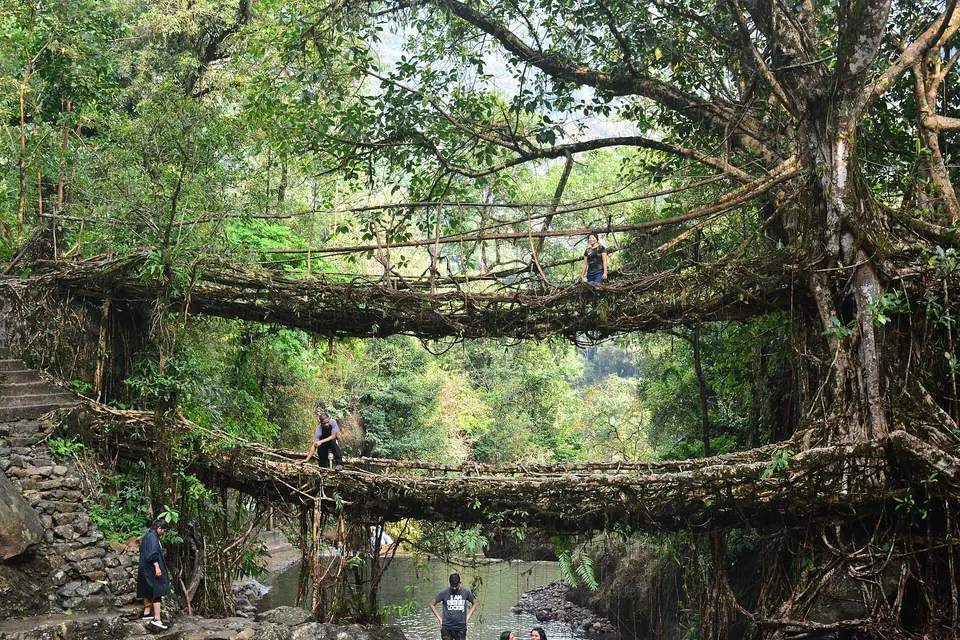
Nongriat root bridges
The double decker living root bridge, reached by roughly 3,500 steps down from Tyrna village.
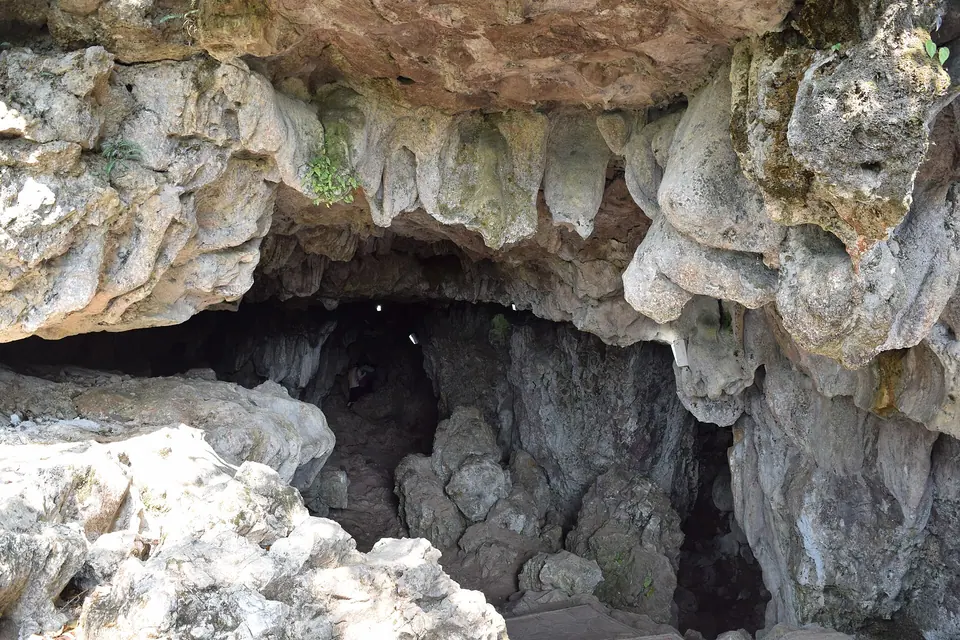
Mawsmai Cave
A lit limestone cave with a walk-through section of about 150 m, a short, easy caving taste.
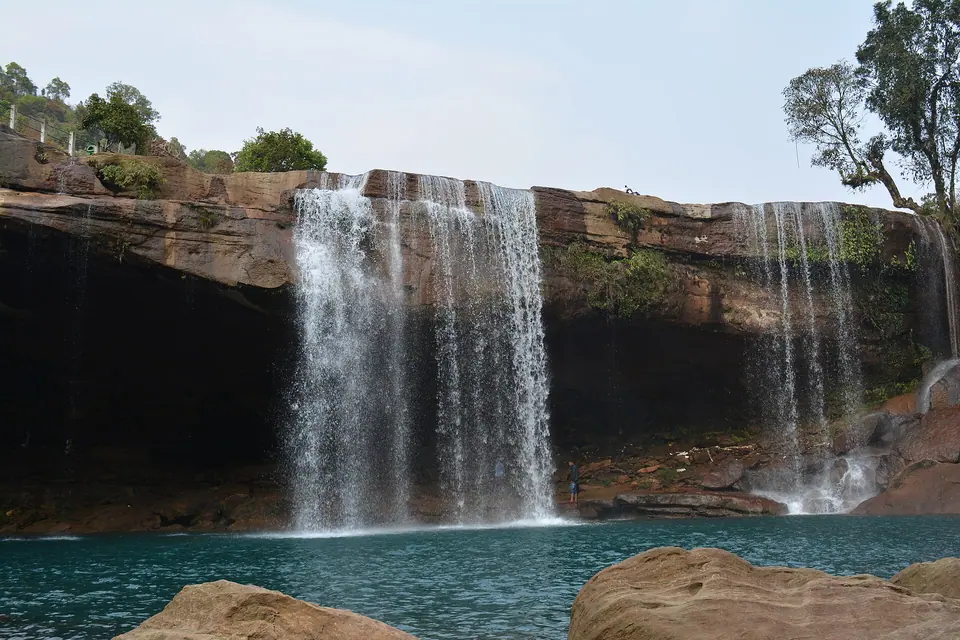
Seven Sisters Falls
Nohsngithiang, a line of falls along a cliff near Mawsmai that flows fullest from June to September.
Rain
Sohra's rainfall records are real, and in the monsoon you can watch cloud pour up over the plateau edge.
 JakilDedhia · Commons · CC BY-SA 4.0
 Ashwin Kumar · Commons · CC BY-SA 2.0
 Joli · Commons · CC BY-SA 4.0
Things to do
- See Nohkalikai Falls early in the morning before cloud rises
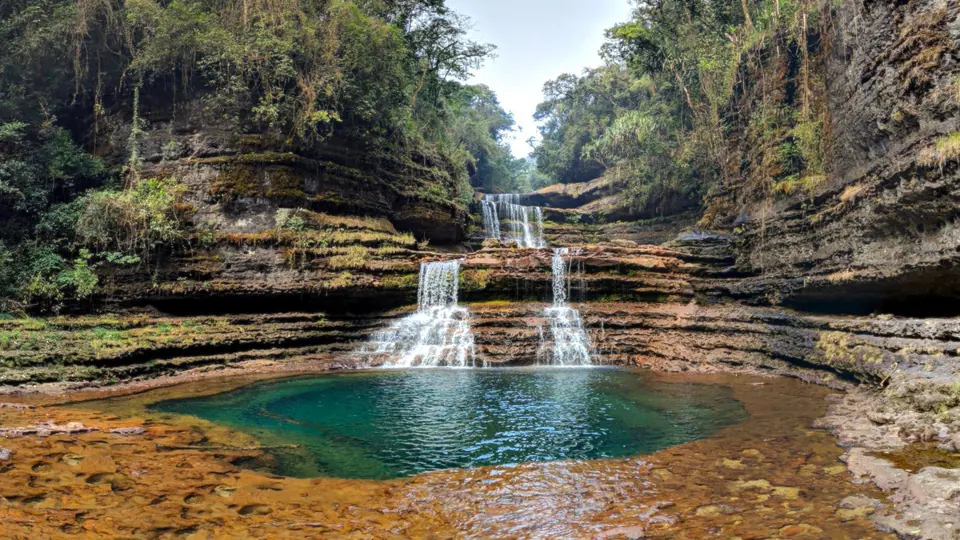
- Trek from Tyrna to the Nongriat double decker root bridge and Rainbow Falls
- Walk through Mawsmai Cave's lit passage
- Watch Seven Sisters Falls from the Mawsmai viewpoints in the monsoon
- Stop at Wei Sawdong and Dainthlen falls on the Shillong road
- Visit Arwah Cave and its fossil-marked walls
- Look over the Mawkdok Dympep valley on the drive from Shillong
- Buy Khasi oranges, honey and local cinnamon at Sohra market in season
Getting there
Sohra is 54 km south of Shillong on a good two-lane road via Mawkdok, usually 1.5 to 2 hours by taxi with viewpoint stops. Shared taxis and some buses run from Bara Bazar in Shillong in the morning, but a private cab is far easier because the sights are spread out on side roads. From Guwahati, allow 4.5 to 5 hours for the 155 km or so. In the monsoon, fog on the plateau can slow driving to walking pace; avoid driving back after dark and check current status of the road before you travel.
Where to stay
Sohra has resorts and homestays spread along the plateau rather than a hotel district. Polo Cherrapunjee Resort (formerly Polo Orchid) sits by the Seven Sisters falls near Mawsmai. Cherrapunjee Holiday Resort at Laitkynsew is closer to the root bridge trails. Sa-I-Mika Park Resort offers cottages on the edge of town. Family-run homestays around Sohra market and on the Tyrna road suit budget travellers and trekkers. For the root bridges, one night in a basic Nongriat homestay is worth adding. Book ahead for October to December weekends.
Local tips
- Start sightseeing by 8 am; views often cloud over by noon
- Carry a proper rain jacket in every month, and an umbrella from May to October
- Keep cash for entry, camera and parking fees at every site
- Wear shoes with good grip for caves and wet steps
- Avoid driving the Shillong–Sohra road after dark in fog
- Many shops and some sites close or are quiet on Sundays
Rain and weather
Source: IMD 1991–2020 normals
October to April for clear views and dry trails; June to September for roaring falls and near-daily rain.