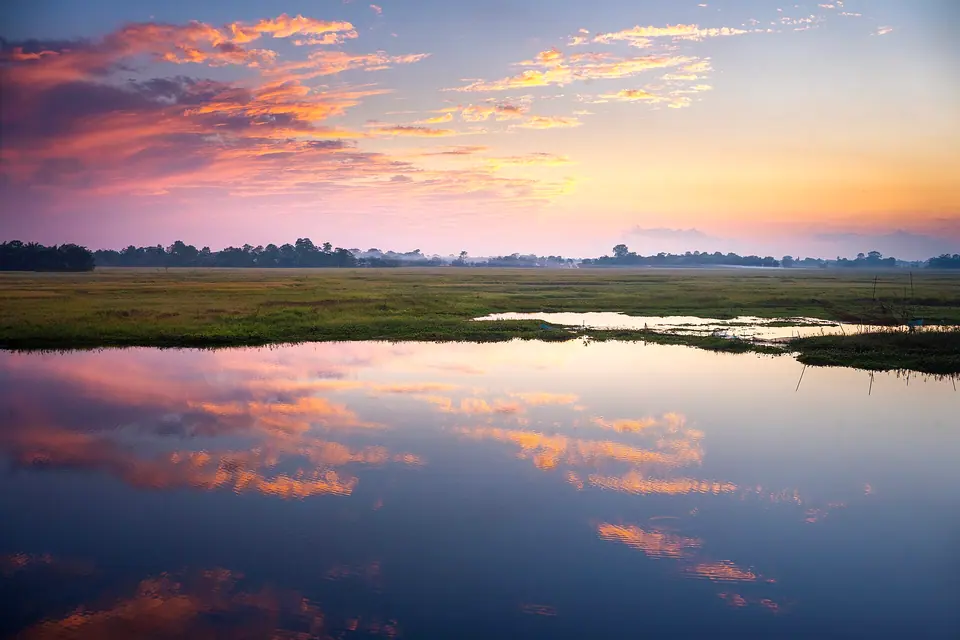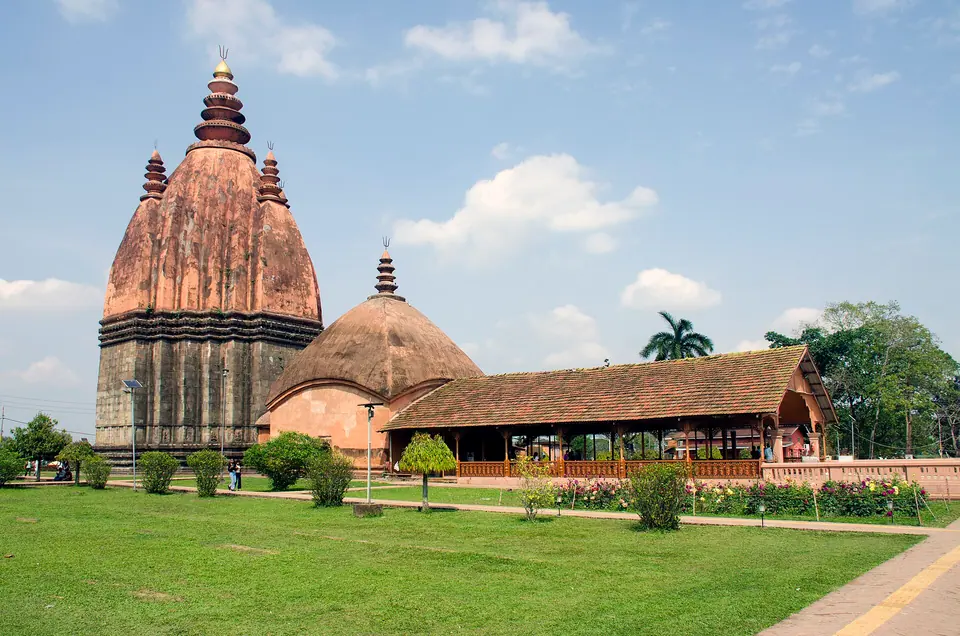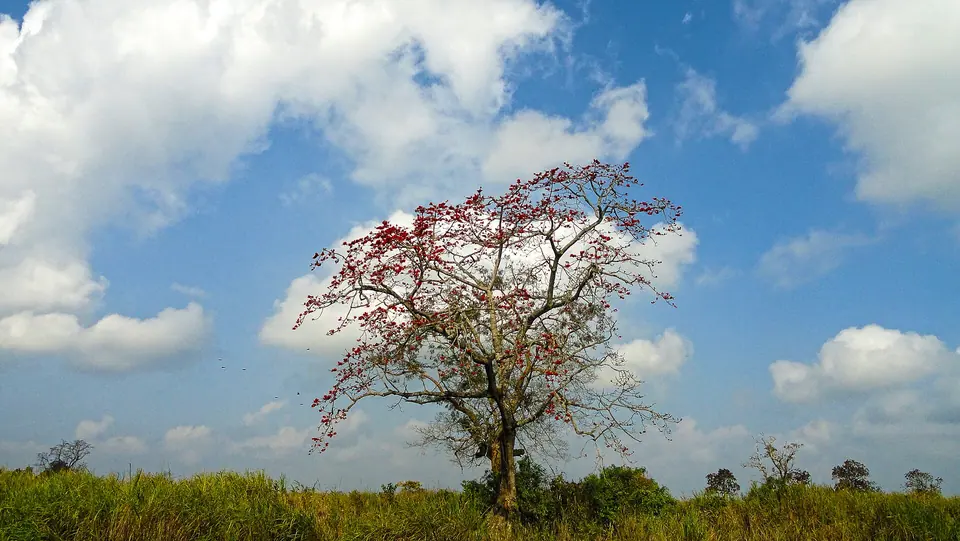

Jorhat is a tea town in Upper Assam, about 305 km (6.5 hours) east of Guwahati, with its own airport. Most travellers use it as the base for the Majuli ferry from Nimati Ghat, 14 km away. Stay longer for heritage tea bungalows, the Gibbon Wildlife Sanctuary and Sivasagar's Ahom monuments, 60 km east.
Jorhat does not try hard to impress visitors, and that is part of its appeal. It is a quiet, green district town surrounded by tea estates, with an airport, a railway station and the nearest ferry ghat for Majuli. Many people pass through in an hour. We prefer to give it a night, ideally in one of the old planters' bungalows on a working estate.
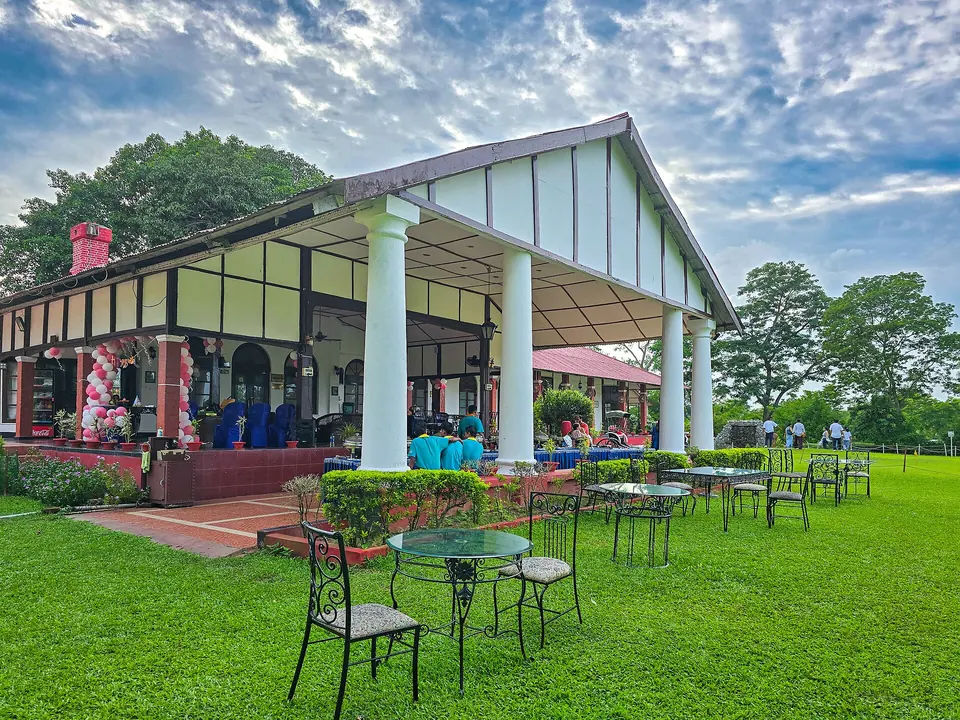
Tea is everywhere. The Tocklai Tea Research Institute, founded in 1911, is on the edge of town, and estates such as Gatoonga run heritage bungalows where you can walk the bushes at dawn and see a factory in season. Jorhat was also the last capital of the Ahom kings in the late 18th and early 19th centuries, and the Jorhat Gymkhana Club, founded in 1876, has one of the oldest golf courses in Asia.
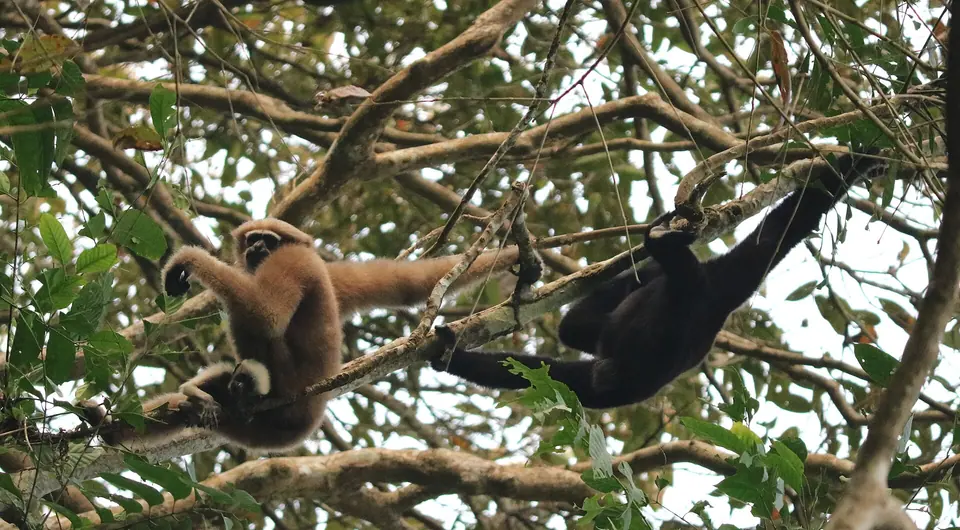
Twenty kilometres away, the Hoollongapar Gibbon Wildlife Sanctuary protects a strip of forest cut off by tea gardens and a railway line, and is one of the best places in India to hear and see hoolock gibbons. With Majuli to the north, Sivasagar to the east and Kaziranga about 97 km west, Jorhat sits in the middle of Upper Assam's best short trips.
What makes it worth the trip
Hoollongapar Gibbon Wildlife Sanctuary
A small forest near Mariani, about 20 km from town, with hoolock gibbons, capped langurs and slow lorises. Go at 7 to 8 am with a forest guide to hear the gibbons call.
Heritage tea bungalows
Colonial-era planters' homes on working estates, such as Banyan Grove on Gatoonga Tea Estate, with verandas, fireplaces and morning estate walks.
Tocklai Tea Research Institute
One of the oldest tea research stations in the world, founded in 1911. Visits are by prior permission; ask your hotel or tour operator to arrange.
Thengal Manor
A 1929 family mansion at Jalukonibari, about 15 km from town, run as a heritage hotel with period furniture and gardens.
Dhekiakhowa Bornamghar
A prayer hall founded in the 15th century by Madhavdeva, about 15 km from town, known for an earthen lamp said to have burned continuously since then.
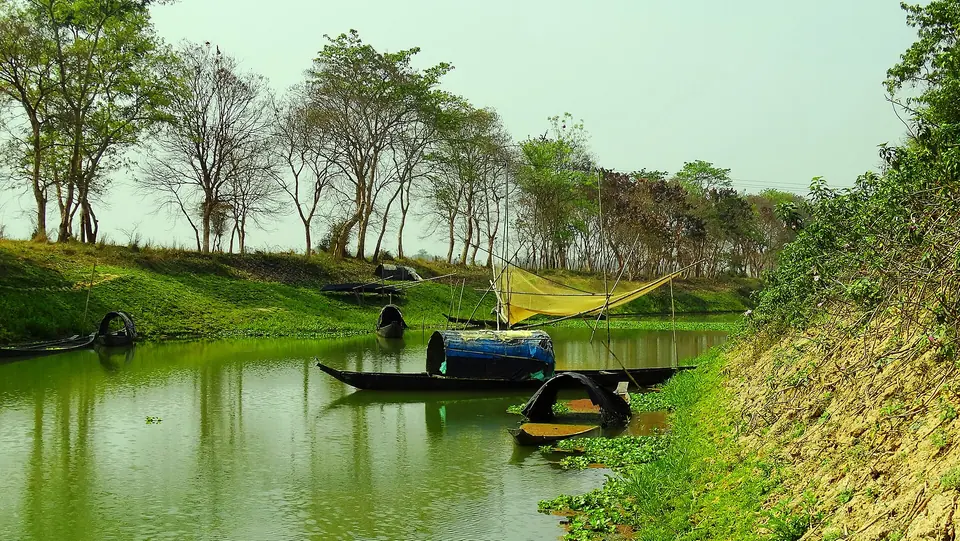 Anupom sarmah · Commons · CC BY-SA 3.0
 JyotiPN · Commons · CC BY-SA 4.0
 কুমুদ ঘোষ · Commons · CC BY 4.0
Things to do
- Take the morning ferry from Nimati Ghat to Majuli
- Walk through a tea estate at plucking time and visit a factory if one is open
- Look for hoolock gibbons at Hoollongapar with a forest guide in the early morning
- Stay a night in a heritage tea bungalow such as Banyan Grove or Thengal Manor
- Visit Dhekiakhowa Bornamghar on the way to or from Sivasagar
- Buy Assam orthodox and CTC tea direct from estate outlets or town tea shops
- Make a day trip to Sivasagar's Rang Ghar, Talatal Ghar and Shiva Dol
- Drive about 97 km west to Kaziranga for an afternoon safari
Getting there
Jorhat airport at Rowriah is about 7 km from town, with flights from Kolkata, Delhi and a few other cities. By rail, Jorhat Town station and Mariani Junction are on the line from Guwahati; the Jan Shatabdi takes about 7 hours. By road, Jorhat is about 305 km from Guwahati via Nagaon and Kaziranga, a 6.5 to 7 hour drive, and buses leave Guwahati through the day. Nimati Ghat for the Majuli ferry is 14 km north, Sivasagar about 60 km east, and Kaziranga's Kohora about 97 km west.
Where to stay
Jorhat town has simple business hotels around the main roads, handy for an early ferry or flight. For something more memorable, heritage tea bungalows sit on estates around town: Banyan Grove on Gatoonga Tea Estate has large rooms with fireplaces, and Thengal Manor at Jalukonibari is a 1929 family mansion. Both need advance booking and are priced well above town hotels, usually with meals. If you are heading straight to Majuli, a town hotel near the Nimati road saves time in the morning.
Local tips
- Catch an early ferry to Majuli; the last boats leave in mid-afternoon
- Tea factories process leaf mainly from March to November; in winter many are quiet
- Book heritage bungalows in advance and ask whether meals and estate walks are included
- Hire a car with a driver for Gibbon Sanctuary, Dhekiakhowa and Sivasagar in one day
- Carry insect repellent for the Gibbon Sanctuary and tea gardens, especially after rain
- Evenings in Jorhat are quiet; eat at your hotel or bungalow
Rain and weather
Source: IMD 1991–2020 normals (Tezpur)
October to April for dry weather and tea-garden walks; the first flush of tea is plucked from March.