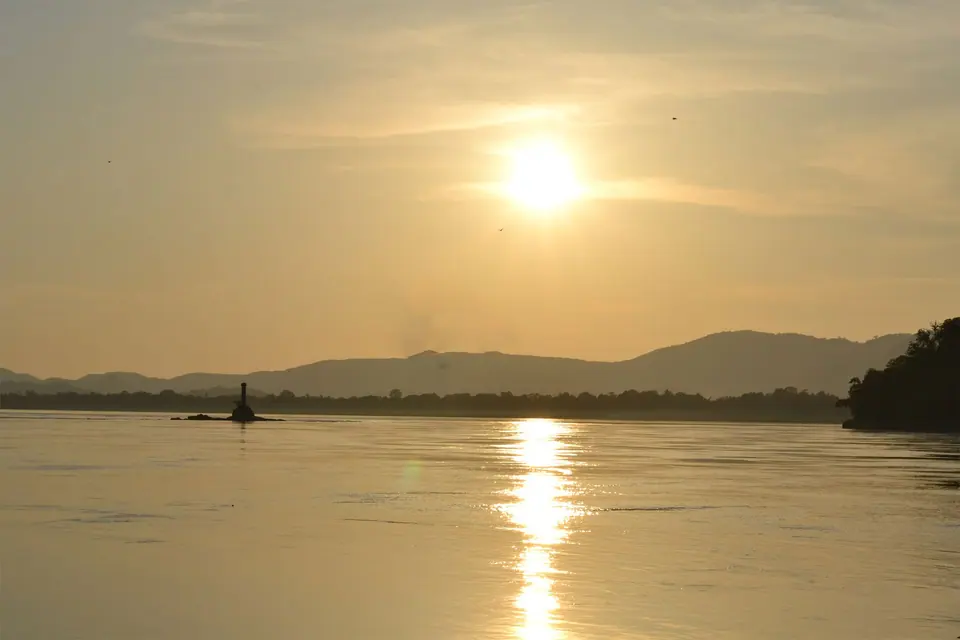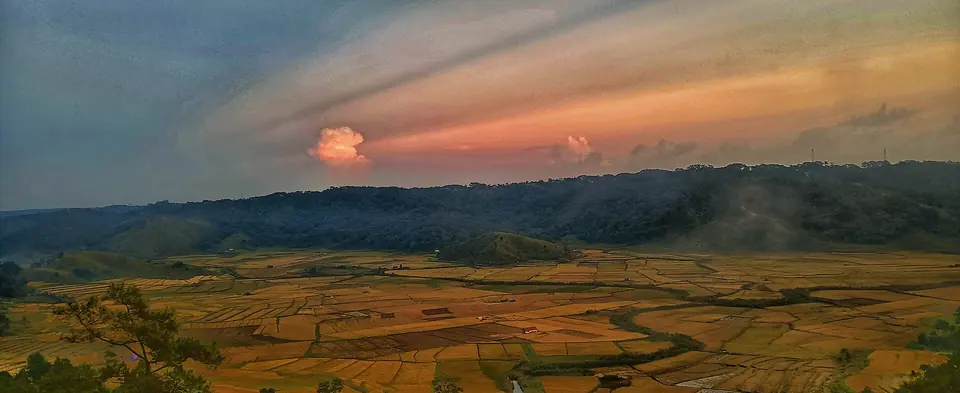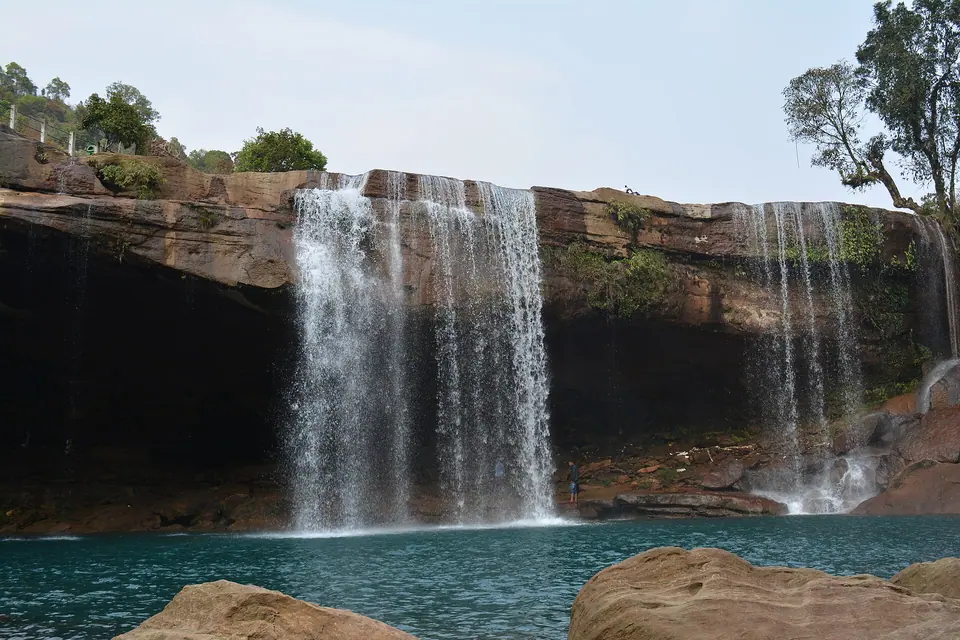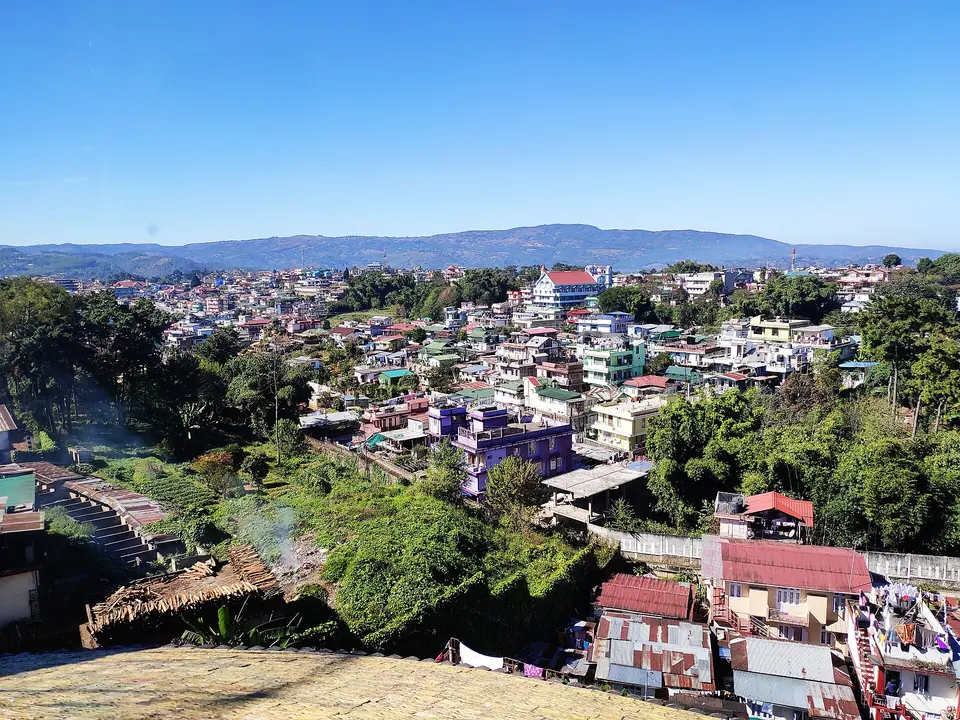

Haflong is the headquarters of Dima Hasao district and Assam's only hill station, about 320 km (8 hours by road) south of Guwahati. Come for Haflong lake, rolling blue hills, Dimasa culture and Jatinga village, 9 km away, where birds descend on foggy autumn nights. The train from Guwahati is the most scenic way in.
Haflong surprises people who think of Assam as flat tea country and floodplain. The town sits on a ridge in the Barail range, with forested hills falling away on every side, a small lake in the middle of town and a cool breeze most of the year. It is the headquarters of Dima Hasao, a hill district governed by an autonomous council and home to the Dimasa, Zeme Naga, Hmar and other communities.
Getting here is part of the trip. The Lumding to Silchar railway, converted to broad gauge in 2015, winds through tunnels and over high viaducts to New Haflong station, and many travellers say it is one of the best train rides in the Northeast. By road the journey is long, and landslides can close stretches in the monsoon.
Nine kilometres away, the village of Jatinga is known for an unexplained phenomenon: on dark, foggy nights between September and November, birds fly towards lights and come down in the village. Nobody fully agrees on why. We come to Haflong for the quiet, the views and the chance to see a part of Assam very few tourists reach.
What makes it worth the trip
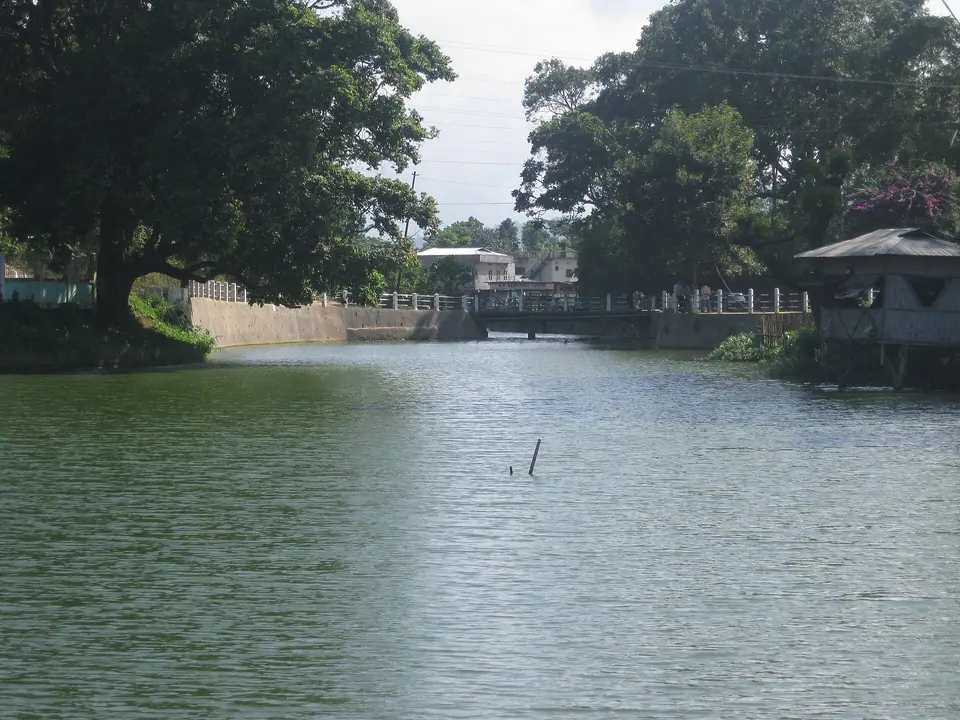
Haflong lake
A small lake in the town centre with a walking path and boating, and the town's hills rising behind it. Best at sunrise.
Jatinga
A village 9 km from Haflong where birds come down on dark, foggy nights between September and November. A watchtower and information centre explain the phenomenon.
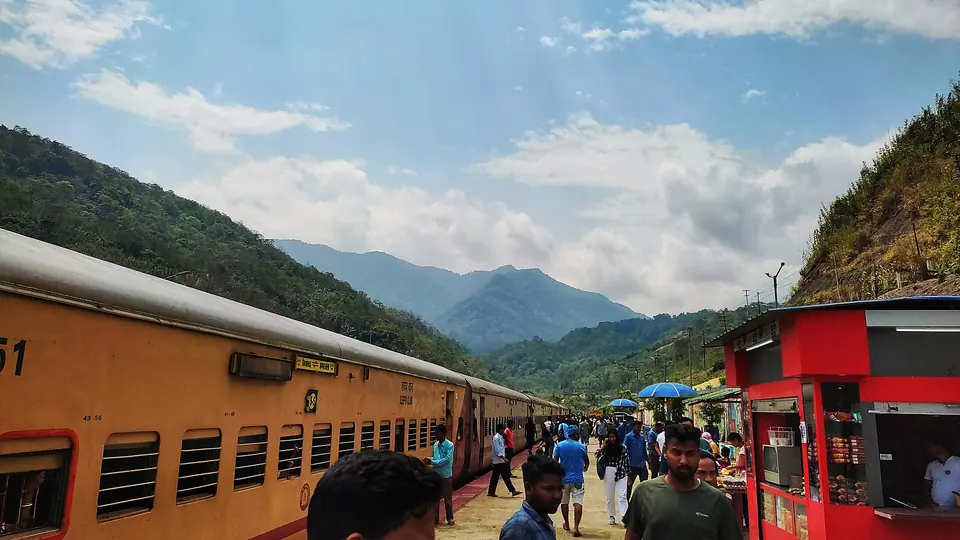
The hill railway
The broad-gauge line through Dima Hasao runs through dozens of tunnels and over tall bridges between Lumding and Silchar. Sit on the window side in daylight.
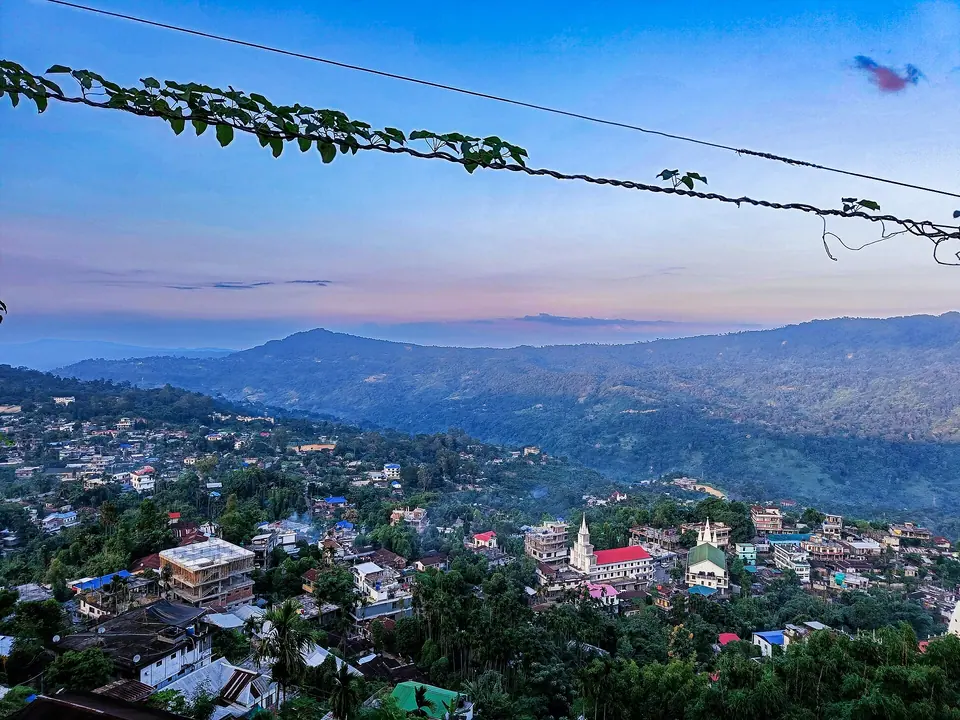
Hill views
Viewpoints on Haflong hill look over folded blue ridges of the Barail range, often under low cloud in the mornings.
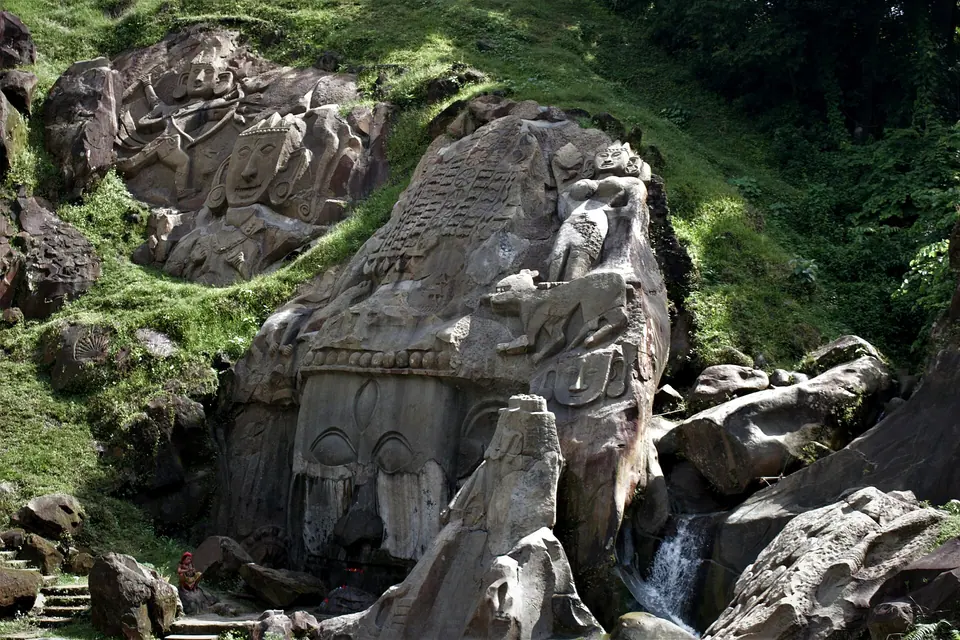
Maibang
About 45 km away, with ruins of the Dimasa kingdom's later capital, including a stone house carved from a single rock.
 JyotiPN · Commons · CC BY-SA 4.0
 Thoiba Paonam · Commons · CC BY-SA 4.0
 Vulpes-bengalensis · Commons · CC BY-SA 3.0
Things to do
- Walk around Haflong lake at dawn and take a boat out
- Drive to Jatinga and visit the bird observation tower and information centre
- Ride the train through the Dima Hasao hills between Lumding and New Haflong in daylight
- Climb to viewpoints on Haflong hill for the ridge views
- Visit the Dimasa kingdom ruins at Maibang
- Try Dimasa food and local rice beer at a homestay
- Time a visit for the Jatinga bird season from September to November
Getting there
The most scenic route is by train. Daily trains between Guwahati and Silchar stop at New Haflong station, and the journey from Guwahati takes about 7 to 8 hours, with the best scenery in the Dima Hasao section. By road Haflong is about 320 km from Guwahati via Jagiroad, Lanka and Umrangso, 8 hours or more, and about 110 km from Silchar. Silchar airport, with flights from Kolkata and Guwahati, is the nearest airport. Landslides can close roads and occasionally the railway in the monsoon; check current status before you travel.
Where to stay
Haflong has a small number of simple hotels, government circuit houses and tourist lodges, mostly around the town centre and the lake. Rooms are basic and hot water may be on request. Homestays run by local families are a good way to try Dimasa food. There are no large resorts. Book ahead in November, when the Jatinga season and local festivals bring more visitors, and carry cash, since card payments are not widely accepted.
Local tips
- Take the train in at least one direction, in daylight, for the tunnels and viaducts
- Bird activity at Jatinga, when it happens, is usually between about 6 and 9.30 pm on dark, foggy nights; it is not guaranteed
- Carry cash; ATMs are limited and cards are rarely accepted
- Mobile data can be weak; download offline maps before you arrive
- Avoid the peak monsoon from June to August, when landslides are common
- Ask before photographing people in villages, and dress modestly
Rain and weather
Source: IMD 1991–2020 normals
October to March for dry roads and clear hills; September to November for the Jatinga bird phenomenon.