
Northeast India Festivals: 2026–27 Calendar by Month
Northeast India festivals month by month for 2026–27: Hornbill, Wangala, Bihu, Losar, Chapchar Kut and Behdienkhlam, with dates, places and booking tips.
Shillong Trip Travel Desk · Updated · 9 min read
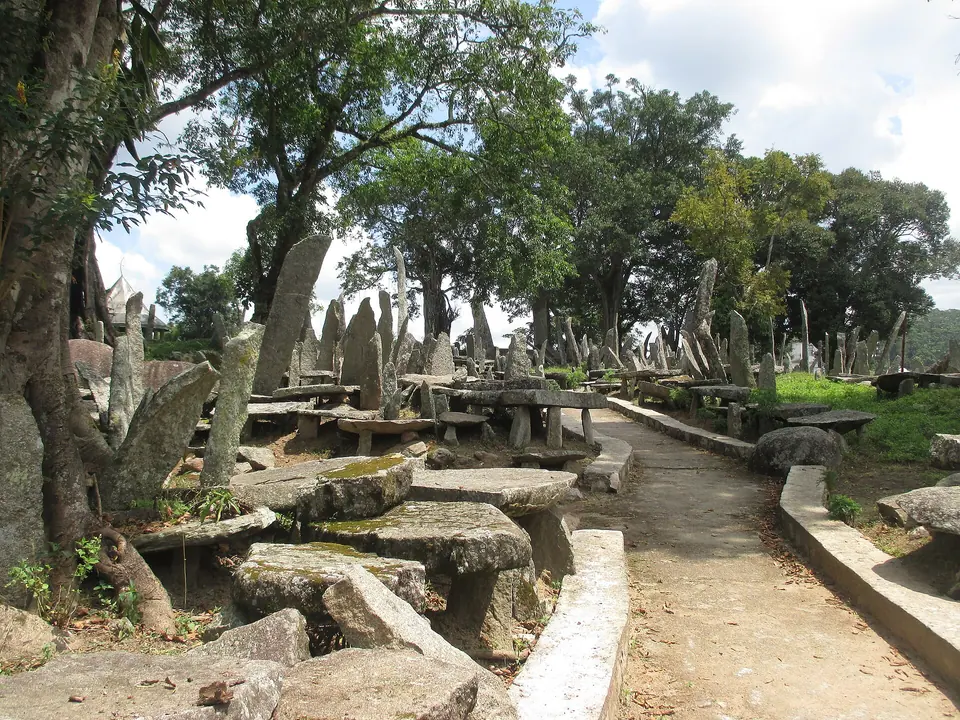
 Sharada Prasad CS · Commons · CC BY 2.0
The biggest Northeast India festivals are the Hornbill Festival near Kohima (1–10 December), Rongali Bihu across Assam (from 14 April), Wangala in the Garo Hills (November), Losar in Tawang (February or March), Behdienkhlam in Jowai (July) and the Ziro Festival of Music (late September). Book Hornbill and Bihu stays 8–12 weeks ahead.
Key takeaways
- Fixed-date festivals are the easiest to plan around: Hornbill runs 1–10 December every year, and Rongali Bihu starts on 14 April.
- Many tribal festivals follow lunar or agricultural calendars, so exact dates are announced only weeks ahead; build a day of slack on each side.
- October to December is the densest festival season across all eight states and also the best weather window.
- Foreign visitors need a Protected Area Permit for Nagaland, Manipur, Mizoram and Arunachal; the Hornbill 2025 relaxation was temporary.
- Kohima, Tawang and Majuli have few rooms; for Hornbill, Losar and Raas, book 8–12 weeks ahead.
- Village festivals are community events first: ask before photographing rituals and follow the organisers' rules.
On this page 12 sections
- How dates work here
- The calendar at a glance
- October to December: the peak season
- January to March: winter and new year
- April to June: spring and Bihu
- July to September: the monsoon festivals
- Getting to the big venues
- Smaller festivals worth a detour
- Festival trip or quiet trip
- Festival etiquette
- Permits and practical notes
- How we'd plan it
- FAQs
Stand in the arena at Kisama on the morning of 1 December and you will hear the log drum before you see anything. The Naga tribes, each in its own dress and ornaments, move into the ring in turn. That one week draws more visitors to Nagaland than most other months combined, and it is only one of dozens of festivals across the eight states.
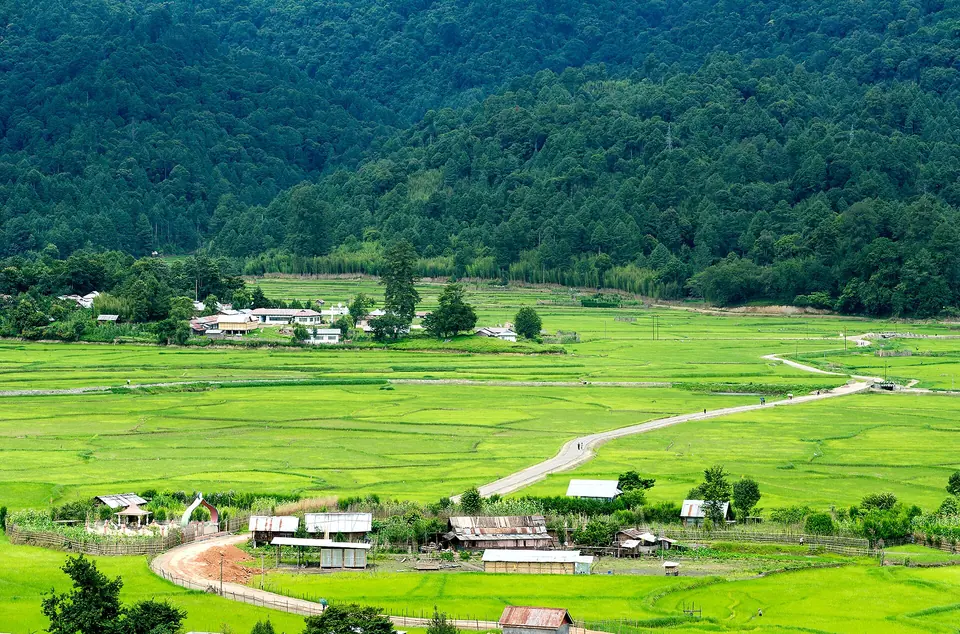
The Northeast's festival year follows rice. Sowing, first harvest and the main harvest each have their celebrations, and every community marks them differently. This calendar covers October 2026 to September 2027, with the festivals we actually plan trips around.
How dates work here
Before the calendar, one warning: many Northeast festivals do not have fixed dates.
- Fixed dates: Hornbill (1–10 December), Rongali Bihu (from 14 April), Magh Bihu (Uruka on 14 January), Me-Dam-Me-Phi (31 January), Moatsu (1–3 May), Dree (5 July), Solung (1 September).
- Lunar or religious calendars: Durga Puja, Raas Mahotsav, Losar, Torgya, Holi and Yaoshang shift each year.
- Set by traditional authorities: Behdienkhlam, the Nongkrem Dance and Wangala are fixed by clan or village leaders, sometimes only a few weeks ahead.
For anything in the last two groups, we hold hotel rooms with a flexible date and confirm once the organisers announce. Check current status before you travel.
The calendar at a glance
| Month | Festival | State | Where | Dates 2026–27 |
|---|---|---|---|---|
| October | Durga Puja | Assam, Meghalaya, Tripura | Guwahati, Shillong, Agartala | Mid to late October 2026 |
| October | Kati Bihu | Assam | Villages statewide | Mid-October |
| Oct–Nov | Nongkrem Dance | Meghalaya | Smit, near Shillong | Set by the Hima Khyrim |
| November | Wangala (100 Drums) | Meghalaya | Asanang, near Tura | Usually November, over 3 days |
| November | Raas Mahotsav | Assam | Majuli satras | Around the Kartik full moon, late November |
| November | Sangai Festival | Manipur | Imphal | 21–30 Nov traditionally; check status |
| December | Hornbill Festival | Nagaland | Kisama, near Kohima | 1–10 December 2026 |
| December | Christmas | Meghalaya, Nagaland, Mizoram | Shillong, Kohima, Aizawl | 24–25 December |
| January | Magh Bihu | Assam | Statewide | 14–15 January 2027 |
| January | Torgya | Arunachal | Tawang Monastery | Usually January, lunar |
| January | Me-Dam-Me-Phi | Assam | Ahom areas, Sivasagar | 31 January |
| February | Sekrenyi | Nagaland | Angami villages near Kohima | Late February |
| Feb–Mar | Losar | Arunachal | Tawang, Dirang | Lunar; 18 Feb in 2026, so February or early March 2027 |
| Feb–Mar | Ali-Ai-Ligang | Assam | Mising villages, Majuli | First Wednesday of Falgun |
| March | Chapchar Kut | Mizoram | Aizawl | Early March |
| March | Myoko | Arunachal | Ziro Valley | Late March |
| March | Yaoshang | Manipur | Imphal | With Holi, late March 2027 |
| April | Rongali Bihu | Assam | Statewide, Guwahati stages | From 14 April 2027 |
| April | Shad Suk Mynsiem | Meghalaya | Weiking, Shillong | April, 3 days |
| April | Aoleang | Nagaland | Mon district | 1–6 April |
| May | Moatsu | Nagaland | Mokokchung | 1–3 May |
| June | Ambubachi Mela | Assam | Kamakhya Temple, Guwahati | Late June; doors closed 23–25 June in 2026 |
| July | Behdienkhlam | Meghalaya | Jowai | July, set by the dolois |
| July | Dree | Arunachal | Ziro Valley | 5 July |
| July | Kharchi Puja | Tripura | Agartala | July, lunar |
| September | Solung | Arunachal | Pasighat, Adi villages | From 1 September |
| September | Ziro Festival of Music | Arunachal | Ziro Valley | Late September; 2026 edition ran 24–27 Sep |
October to December: the peak season
This is when we would send anyone who wants festivals and good weather together.
Durga Puja fills Guwahati, Shillong and Agartala with pandals for five days in mid-to-late October 2026. Roads in Guwahati jam in the evenings; Shillong's Puja is gentler.
The Nongkrem Dance at Smit, about 15 km from Shillong, is a thanksgiving festival of the Hima Khyrim, the Khasi chiefdom based there. Unmarried women dance in heavy gold and silver ornaments while men dance with swords and whisks. The dates are set by the chiefdom, usually in October or November.
Wangala, the Garo post-harvest festival, is celebrated in villages from September to December, and the state-level 100 Drums festival at Asanang, about 18 km from Tura, is usually held over three days in November. Hundreds of dancers move in lines to the beat of long drums.
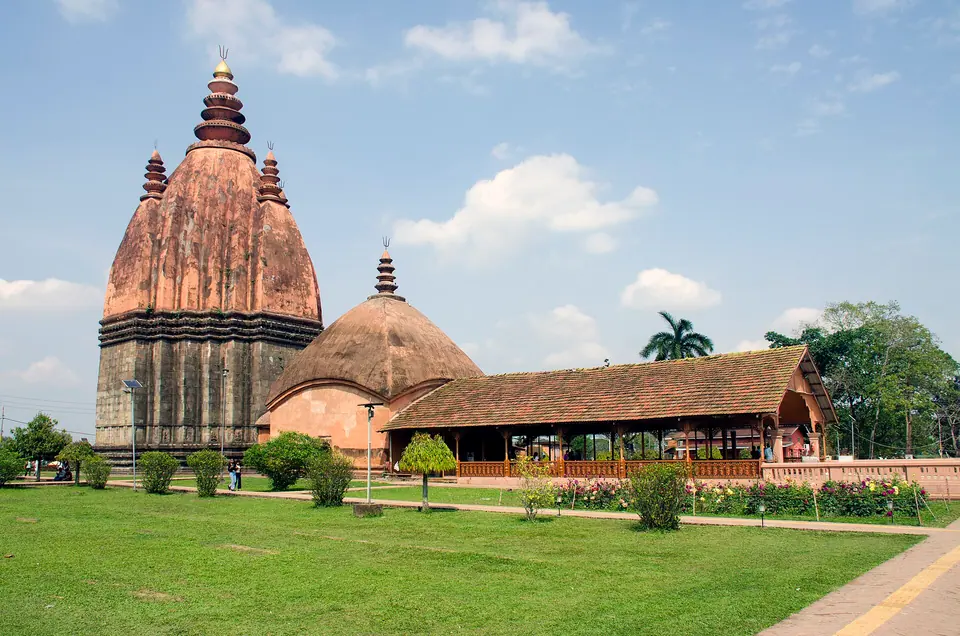
Raas Mahotsav on Majuli is a three-to-five-day festival of performances about the life of Krishna, staged by the Vaishnavite satras around the Kartik full moon. In 2026 that falls in late November. Majuli has few rooms, so book early; our Majuli, Sivasagar and Jorhat trip can be timed to it.
The Hornbill Festival at Kisama, about 12 km from Kohima, runs from 1 to 10 December every year and has since 2000. Each tribe has its own morung, or traditional house, with food, crafts and performances. Our Hornbill Festival guide covers tickets, stays and the Night Carnival, and our Hornbill Festival, Kohima trip includes Khonoma.
Christmas in Shillong, Kohima and Aizawl is a major community event, with carol singing and lit streets from mid-December.
January to March: winter and new year
Magh Bihu is Assam's harvest feast. On Uruka night, 14 January, communities build temporary huts called bhelaghar and feast together; on the morning of the 15th the meji bonfire is lit. Food is the centre of it: pitha, jolpan and fish.
Torgya at Tawang Monastery is a three-day monastic festival with masked cham dances in the monastery courtyard, usually in January. Losar, the Tibetan New Year, follows in February or early March; it fell on 18 February in 2026. Both are cold, often snowy and quiet apart from the festival itself. Tawang hotels fill fast; our Northeast in Winter route pairs Tawang with Kaziranga and Shillong.
Sekrenyi, the Angami purification festival, is held in late February in villages around Kohima. Chapchar Kut, Mizoram's spring festival, fills Aizawl in early March with the Cheraw bamboo dance. Myoko, the Apatani spring festival, rotates among villages in Ziro Valley in late March.
April to June: spring and Bihu
Rongali Bihu is Assam at its most joyful. From 14 April, towns and villages hold Bihu dances, with dhol drums, pepa buffalo-horn pipes and young dancers in muga silk. Guwahati sets up stages for about a week. Our Rongali Bihu in Assam trip spends it in Guwahati, Sivasagar, Jorhat and Majuli, where the village Bihu is more personal than the city stages.
Shad Suk Mynsiem, the Khasi festival of joyful hearts, takes place over three days in April at the Weiking ground in Shillong.
Aoleang in Mon district (1–6 April) and Moatsu in Mokokchung (1–3 May) are the spring festivals of the Konyak and Ao Nagas.
Ambubachi Mela at Kamakhya Temple in Guwahati, in late June, draws very large crowds of pilgrims. The temple doors stay closed for three days and reopen on the fourth; in 2026 they were closed from 23 to 25 June and reopened on the 26th. If you are not a pilgrim, avoid Guwahati's Nilachal Hill that week.
July to September: the monsoon festivals
Behdienkhlam in Jowai is the Pnar festival to drive away disease, held in July after sowing. Men carry tall, decorated wooden structures and wrestle with logs in a pool of muddy water. The dates are set by the dolois, the traditional leaders, and announced ahead of each year's festival. Our Jaintia Hills trip can be timed to it.
Dree, on 5 July in Ziro, is the Apatani agricultural festival. Kharchi Puja in Agartala worships the fourteen deities in July. Solung, the Adi harvest festival, starts on 1 September around Pasighat.
The Ziro Festival of Music is the one contemporary festival in this list. The 2026 edition ran from 24 to 27 September, and the next is expected in late September 2027, with dates announced by the organisers; see our Ziro Festival of Music guide and the Ziro Festival of Music trip.
Getting to the big venues
The headline festivals are all reachable from a regional airport, but the last stretch matters.
- Hornbill: fly to Dimapur or Guwahati. Dimapur to Kohima is about 70 km, roughly 3 hours; Kisama is another 12 km beyond Kohima. Shared taxis run to the venue every day of the festival.
- Rongali Bihu: Guwahati airport is 20–25 km from the city stages. Village Bihu around Sivasagar and Jorhat is best reached from Jorhat airport.
- Wangala: Tura has limited flights, so most visitors drive from Guwahati, about 220 km and 6–7 hours via Goalpara.
- Losar and Torgya: Guwahati to Tawang takes two driving days, about 450–520 km, with a night in Dirang or Bomdila.
- Behdienkhlam: Jowai is 64 km from Shillong, about 1.5–2 hours, so a day trip works.
Smaller festivals worth a detour
Beyond the headline events, these are the ones we build into trips when dates line up. None needs a ticket, and all are community events first.
- Me-Dam-Me-Phi (31 January): the Ahom ancestor-worship festival, marked with public prayers in Sivasagar and other Upper Assam towns.
- Ali-Ai-Ligang (February or March): the Mising sowing festival on Majuli and along the Brahmaputra, with the Gumrag dance and rice beer.
- Nyokum (26 February): the Nyishi festival for prosperity, celebrated across central Arunachal.
- Mopin (5 April): the Galo festival in Aalo, known for rice-flour smeared on faces as a blessing.
- Kut (1 November): the Kuki-Chin-Mizo harvest festival in Manipur, when conditions allow.
- Garia Puja (April): a Tripuri festival worshipping Garia, the god of livestock and wealth.
- Sangken (13–16 April): the Khamti and Singpho water festival around Namsai in eastern Arunachal.
A traditional festival in a small town can be the best day of a trip, but it is not a show. Timings slip, programmes change and speeches can run long. Go with patience.
Festival trip or quiet trip
Timing a trip to a festival has costs as well as rewards. This is how we weigh it with guests.
| Factor | Festival week | Quiet week |
|---|---|---|
| Atmosphere | Music, dance, crowds, food stalls | Calm, village life as usual |
| Hotel rooms | Scarce; book 8–12 weeks ahead | Easy to find at short notice |
| Rates | Noticeably higher in Kohima, Tawang, Majuli | Standard season rates |
| Roads | Local traffic jams near venues | Normal |
| Photography | Great subjects, many other cameras | Fewer subjects, easier access |
| Flexibility | Tied to organisers' schedule | Fully flexible |
For first-time visitors with only a week, we often suggest one festival day inside an otherwise normal itinerary, rather than a whole trip spent at one venue.
Festival etiquette
The festivals in this calendar belong to living communities. A few habits keep you welcome:
- Ask before photographing people, especially elders in traditional dress and anyone taking part in a ritual.
- Never step into a performance space or a sacred area unless invited.
- Keep drones grounded unless the organisers have given permission; Hornbill and many village festivals restrict them.
- Buy from the stalls. Crafts and food sold at festivals support the families who make them.
- Accept food and rice beer politely, but it is fine to decline. A small taste is always enough.
- Dress modestly at church services, satras and monasteries, and remove shoes where asked.
Permits and practical notes
| Festival state | Indians | Foreign nationals |
|---|---|---|
| Assam, Meghalaya, Tripura | No permit | No permit; hotel Form C |
| Arunachal (Losar, Torgya, Ziro, Solung) | Arunachal eILP | Protected Area Permit |
| Nagaland (Hornbill, Sekrenyi, Moatsu) | Nagaland ILP | PAP; Hornbill 2025 was relaxed temporarily |
| Manipur (Sangai, Yaoshang) | Manipur ILP | PAP; check the current travel advisory |
| Mizoram (Chapchar Kut) | Mizoram ILP | PAP, plus police registration within 24 hours |
Rules for foreign visitors changed in December 2024 and may change again. Check current status before you travel.
A few practical points:
- Crowds: Hornbill, Rongali Bihu in Guwahati and Ambubachi draw the biggest crowds. Village festivals are far smaller.
- Photography: ask before photographing anyone in ritual dress, and follow organisers' rules on flash and drones.
- Dress: modest clothing is appropriate at religious events. Remove shoes where asked.
- Weather: Hornbill nights drop to around 5–8°C in Kohima; Losar in Tawang can be below freezing.
How we'd plan it
Pick one anchor festival, then build the trip around it. These are our three most-booked shapes:
- Hornbill plus Meghalaya (8–9 nights, late November to mid-December): 4 nights in Kohima and Khonoma for Hornbill, then Shillong and Sohra.
- Rongali Bihu in Assam (5–6 nights, mid-April): Guwahati stages, then village Bihu around Sivasagar and Majuli.
- Losar or Torgya in Tawang (6–7 nights, January to March): Guwahati to Dirang, over the Sela Tunnel to Tawang, with 2–3 nights for the festival.
For Hornbill, Losar and Raas, we start booking 8–12 weeks ahead. For festivals with dates set late, such as Behdienkhlam, we hold flexible rooms and confirm when the organisers announce.
Tell us which festival you have in mind on our contact page and we will check this year's dates for you.