
Northeast Indian Food: What to Eat in Each State
Northeast Indian food state by state: jadoh and dohneiiong in Shillong, khar and tenga in Assam, axone pork in Kohima, eromba in Imphal, plus how hot it gets.
Shillong Trip Travel Desk · Updated · 9 min read
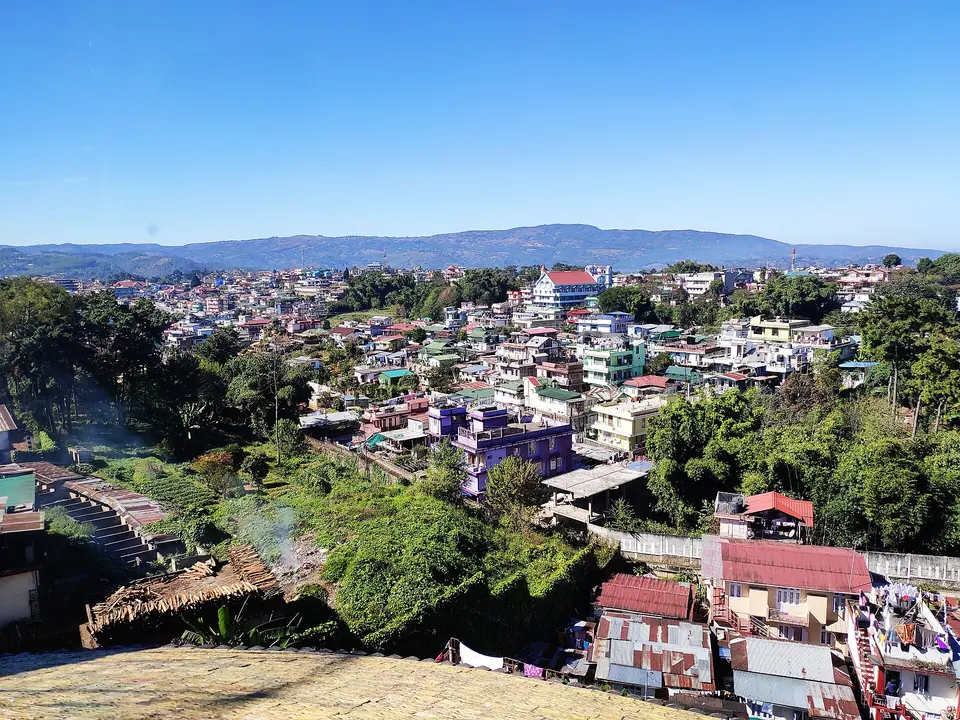 ANKAN · Commons · CC BY-SA 4.0
Northeast Indian food is rice-based, light on oil and built on fermentation, smoke and fresh chilli. Eat jadoh and dohneiiong in Shillong, khar and masor tenga in Assam, smoked pork with axone in Nagaland, eromba and black-rice kheer in Manipur, and thukpa with butter tea in Tawang. Most kitchens use little dry spice.
Key takeaways
- Each of the eight states cooks differently, but three threads run through all of them: rice at every meal, fermented ingredients and very little dry masala.
- Pork is the main meat in Meghalaya, Nagaland, Mizoram and much of Arunachal; Assam cooks more fish, duck and vegetables.
- Heat comes from fresh chillies such as bhut jolokia, not from garam masala. Ask for chilli on the side and you can eat almost anything.
- Vegetarians eat best in Assam and Tawang; Shillong and Kohima need more planning outside the town centre.
- Nagaland and Mizoram have prohibition laws, so do not plan a rice-beer tasting there without checking current status before you travel.
- A plate of jadoh or a Monpa thukpa costs roughly INR 100–250 in 2026; a full Assamese thali in Guwahati is roughly INR 300–700.
On this page 12 sections
- What ties the region together
- Meghalaya: pork, sesame and turmeric
- Assam: the gentlest kitchen in the region
- Nagaland: smoke and fermented soya
- Manipur: fermented fish and black rice
- Mizoram and Tripura: quiet, subtle cooking
- Arunachal: two kitchens, two altitudes
- Markets worth an early start
- Food by season and festival
- What to bring home
- Eating well without a bad day
- How we'd plan it
- FAQs
The first plate of jadoh most of our guests eat is at 1 pm on day one, straight off the Guwahati road, and the reaction is always the same: "Why has nobody told me about this?" Rice cooked in pork stock with turmeric, a side of pork salad and a smear of fermented chilli. It costs less than a coffee in Delhi.
Food in the Northeast is not one cuisine. It is at least eight, and within Meghalaya alone the Khasi, Jaintia and Garo kitchens differ. What follows is how we eat our way across the region, state by state, with what to order, where to find it and how much heat to expect.
What ties the region together
Before the state-by-state list, three things are worth knowing.
Rice at every meal. Sticky rice, red rice, black rice, puffed rice and rice beer. A meal without rice is a snack.
Fermentation instead of masala. Where North Indian cooking builds flavour with dry spice and ghee, Northeast kitchens use fermented soya bean, fermented fish, bamboo shoot and alkali. The flavour is deep and savoury, sometimes pungent.
Chilli as a separate element. The heat usually sits in a chutney or a whole chilli beside the plate. That makes it easy to control, which is good news for anyone nervous about spice.
| State | Everyday staple | One dish to order | Main protein | Heat level |
|---|---|---|---|---|
| Meghalaya | Rice, jadoh | Dohneiiong | Pork | Medium |
| Assam | Rice, dal, pitika | Masor tenga | Fish, duck | Mild to hot |
| Nagaland | Rice, boiled greens | Smoked pork with axone | Pork | Hot |
| Manipur | Rice, eromba | Chak-hao kheer | Fish | Hot |
| Mizoram | Rice, bai | Vawksa rep | Pork | Mild |
| Arunachal (Tawang) | Thukpa, momos | Khura with butter tea | Yak, pork | Mild |
| Arunachal (Ziro) | Rice, bamboo shoot | Smoked pork, rice beer | Pork | Medium |
| Tripura | Rice, berma chutney | Chakhwi | Fish, pork | Medium |
Meghalaya: pork, sesame and turmeric
The Khasi kitchen around Shillong and Sohra is the one most visitors meet first. It is pork-forward, uses black sesame and local turmeric, and is cooked in small, busy eateries called jadoh stalls.
- Jadoh: rice cooked with pork, pork fat and turmeric. Some versions add blood. It is the Khasi everyday lunch.
- Dohneiiong: pork in a thick, dark gravy of ground black sesame. Rich and nutty, with little chilli.
- Dohkhlieh: a salad of boiled pork with raw onion, ginger and green chilli. Cold, sharp and fresh.
- Tungrymbai: fermented soya beans cooked with pork and sesame. Strong smelling, very savoury.
- Pumaloi and putharo: steamed rice cakes, often at breakfast with tea.
- Pukhlein: deep-fried rice-flour and jaggery rounds, sold as a sweet snack.
Jadoh stalls cluster around Police Bazar and Iewduh (Bara Bazar), and a plate with two sides runs roughly INR 100–200. Shillong's cafe and live-music scene is its own subject, covered in our guide to Shillong cafes, food and music.
In the Garo Hills, look for kappa (meat cooked with a little soda, which softens it) and dried-fish soups. In the Jaintia Hills around Jowai, the food is close to Khasi cooking with its own pickles.
Assam: the gentlest kitchen in the region
Assamese food is the one we steer nervous eaters toward. It uses mustard oil, a light hand with spice and a lot of vegetables.
A full meal follows an order:
- Khar first: an alkaline dish made by filtering water through the ash of dried banana peel, cooked with raw papaya, pulses or fish head.
- Rice with dal and two or three pitika, simple mashes of potato, aubergine or dried fish with mustard oil, raw onion and green chilli.
- A bhaji of seasonal greens.
- Masor tenga: a light, sour fish curry with tomato, lemon or elephant apple. It is the dish Assam is known for.
- A meat course in some homes: duck with ash gourd, pigeon curry or pork with bamboo shoot in Upper Assam.
In Guwahati, several restaurants serve fixed Assamese thalis; a good one costs roughly INR 300–700. During Magh Bihu in January, look for pitha (rice cakes with sesame or coconut) and jolpan, a breakfast of flattened rice, curd and jaggery.
Assam is also home to bhut jolokia, the ghost pepper, which held the Guinness record as the hottest chilli in 2007. You will see it as a pickle on every table. One small bite is enough.
On Majuli, the food changes again. The Mising community cooks fish and pork with local herbs and brews apong, a rice beer, while the Vaishnavite satras serve simple vegetarian meals. Our Majuli, Sivasagar and Jorhat trip builds in a home-cooked Mising lunch.
Nagaland: smoke and fermented soya
Naga cooking is the boldest in the region. Meat is smoked over the kitchen fire for weeks, bamboo shoot is fermented, and the chilli is the king chilli, raja mircha.
- Smoked pork with bamboo shoot: the signature dish, dark and smoky.
- Pork with axone (akhuni): fermented soya bean paste with pork. Pungent before cooking, rich after.
- Anishi: fermented and smoked yam leaves, an Ao Naga speciality, usually cooked with pork.
- Galho: a loose rice porridge with greens and meat, a comfort meal.
- Boiled vegetables with chutney: everyday Naga food is often simple boiled greens with a fierce chilli and tomato chutney.
In Kohima, the main market sells smoked meat, fresh herbs and, on some stalls, edible insect larvae and snails. Our Kohima and Khonoma trip includes a village meal in Khonoma. During the first ten days of December, the Hornbill Festival's food stalls at Kisama are the easiest way to try several Naga tribes' dishes in one afternoon; our Hornbill Festival guide has the details.
Nagaland is officially a dry state under a 1989 law. Rice beer such as zutho is traditional, but do not plan around buying alcohol.
Manipur: fermented fish and black rice
Manipuri food centres on ngari, a fermented fish, and fresh herbs.
- Eromba: boiled vegetables mashed with ngari and chilli. Sharp, salty and hot.
- Singju: a crunchy salad of shredded cabbage, lotus stem and herbs with chilli and roasted gram flour.
- Kangshoi: a clear vegetable stew, often with dried fish.
- Chak-hao kheer: black rice pudding, purple and fragrant. Manipur's black rice has held a Geographical Indication tag since 2020.
In Imphal, Ima Keithel, the market run entirely by women, is the place to see ngari, dried fish and dozens of herbs in one hall. Travel advisories for Manipur have been restrictive since 2023, and we do not currently run trips there, so check the current advisory and local conditions before you plan a visit.
Mizoram and Tripura: quiet, subtle cooking
Mizo food around Aizawl uses little chilli by Northeast standards.
- Bai: a stew of greens, bamboo shoot and pork, softened with a pinch of soda.
- Vawksa rep: smoked pork, often stir-fried with mustard greens.
- Sawhchiar: rice cooked with pork or chicken into a thick porridge.
Mizoram has a prohibition law passed in 2019.
Tripuri food (mui borok) in Agartala is built around berma, a fermented dried fish.
- Chakhwi: bamboo shoot, pork or fish cooked with soda and berma.
- Mosdeng serma: a raw chutney of tomato, chilli and berma.
- Bengali fish curries and sweets are common in Agartala too.
Arunachal: two kitchens, two altitudes
Tawang and Dirang (Monpa food) belong to the high Himalaya. At Tawang, at about 3,000 metres, you eat for warmth:
- Thukpa: noodle soup with vegetables or meat
- Momos: steamed dumplings, often with yak meat
- Zan: a thick porridge of millet or maize flour
- Khura: a buckwheat pancake eaten with chilli or butter tea
- Butter tea: salty tea churned with butter
- Chhurpi: hard dried yak cheese, chewed slowly
Ziro and central Arunachal cook more like Nagaland: smoked pork, bamboo shoot and rice beer. In Ziro Valley, Apatani homestays serve rice beer brewed at home and a pickle of bamboo shoot and pork fat.
Markets worth an early start
The quickest way to understand a cuisine here is to walk its market before 9 am, when the produce is fresh and the stalls are full. These are the ones we build into itineraries.
- Iewduh (Bara Bazar), Shillong: one of the oldest markets in the region, run largely by Khasi women traders. Look for black sesame, dried fish, betel nut, fermented soya and heaps of local turmeric. Allow 90 minutes and keep valuables close.
- Fancy Bazar and Uzan Bazar, Guwahati: Fancy Bazar is the wholesale heart of the city; Uzan Bazar, near the river, is better for fish in the morning.
- Kohima main market: smoked meats hung in rows, bamboo shoot in every form and the stalls that sell edible insects. It is not for everyone, which is exactly why guests remember it.
- Ima Keithel, Imphal: the women's market, with ngari, fresh herbs, black rice and handloom under one roof.
- Tawang market: yak cheese, dried chillies, Monpa handmade paper and prayer flags.
Take photos of produce freely, but ask before photographing people, especially in Kohima and Imphal.
Food by season and festival
Some dishes only appear at certain times of year, which is one more reason to match a trip to the calendar.
| Month | Where | What turns up |
|---|---|---|
| January | Assam | Pitha, jolpan and community feasts for Magh Bihu |
| February–March | Tawang | Losar dishes and extra butter tea at the New Year |
| April | Assam | Pitha and sweets during Rongali Bihu |
| June–August | Meghalaya, Assam | Fresh bamboo shoot, wild greens, monsoon fish |
| October–November | Across the region | New rice, and in Assam the first autumn-flush tea |
| December | Nagaland | Hornbill Festival food stalls in Kisama |
Our full calendar of events is in the Northeast India festival calendar.
What to bring home
Most of the region's flavours travel well if you pack them properly.
- Assam tea: buy loose-leaf orthodox tea from a specialist shop in Guwahati or Jorhat rather than a roadside stall.
- Black rice: Manipur's chak-hao rice keeps for months in a sealed pouch.
- Bhut jolokia pickle or flakes: a small jar goes a long way. Seal it in two bags.
- Black sesame and Lakadong turmeric: Lakadong turmeric from the Jaintia Hills is prized for its colour and is easy to find in Shillong.
- Smoked pork and axone: these are strong smelling and can leak. We suggest vacuum-packed versions only.
Check your airline's rules for pickles and liquids before you pack.
Eating well without a bad day
We watch the same few things for every guest.
| Situation | What we suggest |
|---|---|
| Nervous about chilli | Say "no chilli, chutney on the side" at every order |
| Vegetarian | Plan meals in Guwahati, Shillong and Tawang; pre-order in homestays |
| Vegan or no onion-garlic | Tell us early; satra and Marwari restaurants help |
| Strong fermented flavours | Start with dohneiiong or tenga before axone or ngari |
| Street food | Eat where it is cooked in front of you and busy |
| Drinking water | Sealed bottles or filtered water only |
| Rice beer | Treat it as strong; homemade batches vary a lot |
Most hotels in Shillong, Kaziranga and Tawang also cook North Indian and Chinese-style dishes, so nobody goes hungry.
How we'd plan it
For a food-first trip, we would build it in three layers.
Layer one, Meghalaya (4 nights): a jadoh lunch on arrival in Shillong, a Khasi home meal in a Sohra village, and market mornings at Iewduh. Our Shillong, Cherrapunji, Dawki and Mawlynnong route gives you all three.
Layer two, Assam (3–4 nights): an Assamese thali in Guwahati, a tea-garden breakfast and a Mising lunch on Majuli.
Layer three, Nagaland (3 nights): smoked pork and axone in Kohima and a village meal in Khonoma, ideally timed for Hornbill in December.
To eat across three states in one trip, our Meghalaya, Kaziranga and Majuli route covers Khasi, Assamese and Mising kitchens in ten nights. Travelling on a tight budget? Our Northeast Backpacker Route runs on jadoh stalls, dhabas and homestay kitchens, and it eats very well.
Tell us what you do and do not eat through our contact page and we will plan meals into your route.