Meghalaya
Meghalaya Photography Tour
- Shillong
- Laitlum Canyons
- Sohra
- Nohkalikai Falls
- Wei Sawdong Falls
- +5


Shillong Umiam Lake Mawsynram Sohra Nohkalikai Falls Mawsmai Cave
Highest point on this trip: 1,525 m
Monsoon Meghalaya is 4 nights / 5 days from Guwahati, run from June to September, when the Sohra plateau is one of the wettest places on earth. It covers Mawsynram and its cave, two nights in Sohra for Nohkalikai, Kynrem and the Seven Sisters Falls at full flow, and ends in Guwahati. From ₹15,000 per person.
From June to September the Khasi Hills change completely. Sohra receives about 2.6 m of rain in each of June and July alone, more than Guwahati gets in a year, and every cliff edge sprouts a waterfall. The Seven Sisters Falls, a string of dry lines in January, become seven white columns, and Nohkalikai thunders into its gorge. This is the trip for people who want to see that, and do not mind getting wet.
We plan the monsoon honestly. Cloud can hide a viewpoint for hours, so each day has spare time to wait or return. We leave out the Nongriat trek, Wei Sawdong and Dawki boating, which are slippery or often closed in the rains. Drives are short: nothing beyond 3.5 hours after Day 1. Room rates are lower than in October, which is reflected in the price.
Open to foreign passport holders with the right permits. Check permits
Route, permits and road status checked
Your driver meets you at Guwahati Airport or the railway station. The four-lane highway via Jorabat, Byrnihat and Nongpoh stays open through the monsoon, though heavy rain can slow traffic and occasional slips near the hills cause short holds. Stop at the Umiam Lake viewpoint 15 km before Shillong, where low cloud often drifts across the water. Check in by mid-afternoon. In the evening, walk to Ward's Lake with an umbrella, then warm up with tea and a plate of jadoh near Police Bazar. Buy a good umbrella or poncho in town if you have not packed one.
Leave Shillong after breakfast for Mawsynram, about 65 km and 2 hours west through Mawphlang. Mawsynram and Sohra trade the title of wettest inhabited place on earth, and in July the rain can be continuous for days. Visit Mawjymbuin Cave, where water drips onto a large stalagmite that locals and visitors compare to a Shiva lingam; the entrance is a short walk from the road. Then drive to the Symper Rock viewpoint if the cloud allows. Lunch is simple in the village. Return to Shillong by late afternoon. Leeches appear on grass verges in the rains, so wear closed shoes.
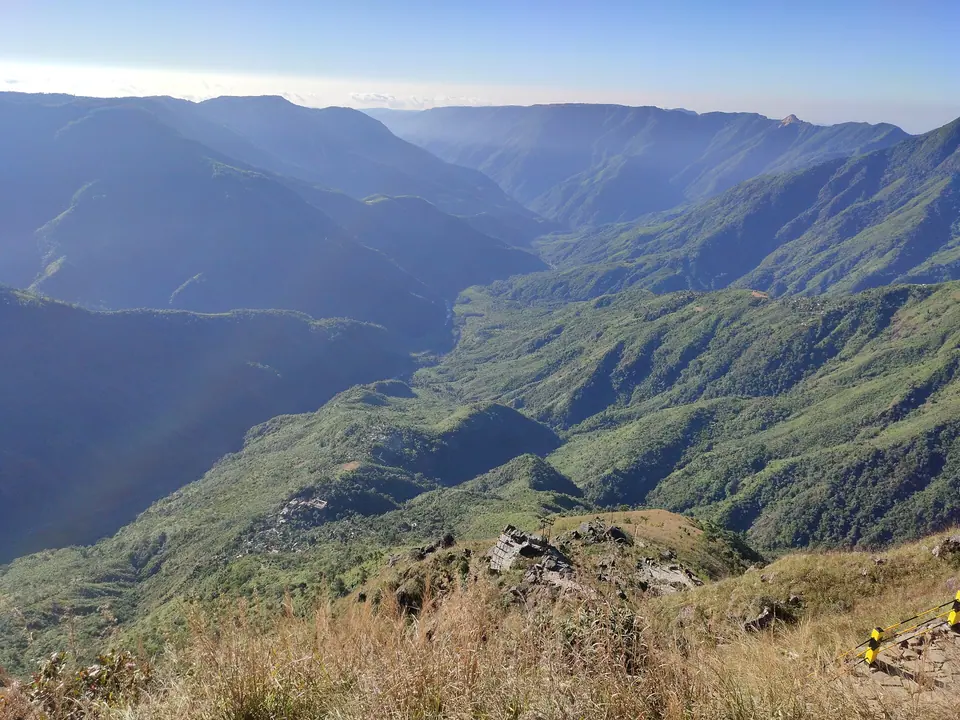
Check out after breakfast and drive the Sohra road, stopping at Wah Kaba Falls, which roars beside the road in the rains, and at the Mawkdok valley viewpoint, where you may be above or inside the cloud. In Sohra, drive to Thangkharang Park to see Kynrem Falls, about 305 m in three tiers, pouring off the plateau. On the way back, stop at Eco Park, where streams run straight off the cliff. Check in by mid-afternoon. If the rain eases, the view across the gorge to the Seven Sisters Falls, all seven running, is the image most people come for.
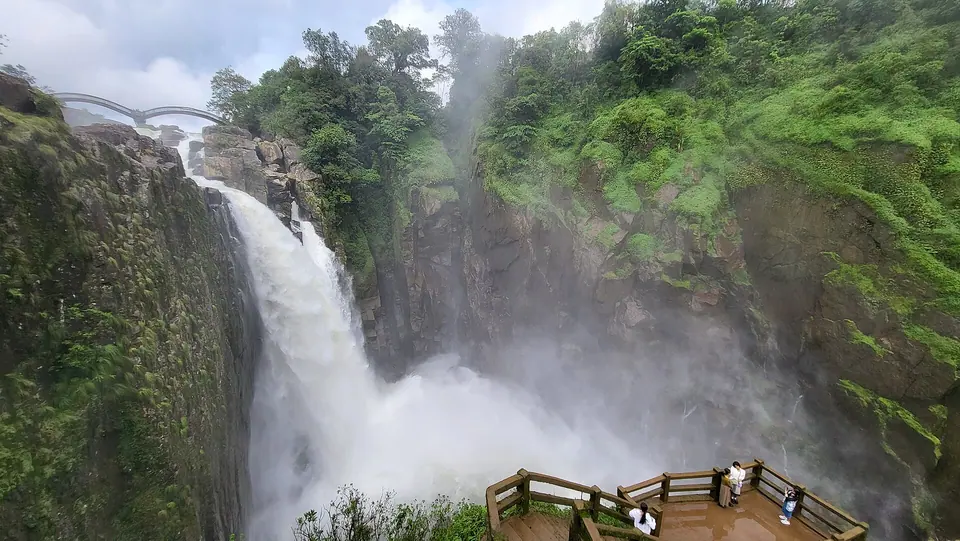
Try the Nohkalikai viewpoint at 7.30 am; early mornings are often the clearest window in the monsoon. The fall drops about 340 m, India's tallest plunge, and in July it is at its fullest. If cloud covers the gorge, go on and return later, because gaps open and close within minutes. Mawsmai Cave is a good dry hour: a lit route of about 150 m with one squeeze, though it can close after very heavy rain. After lunch, walk the 1 km paved cliff path to Arwah Cave. Spend the evening with tea on the resort terrace, watching the cloud move through the valley.
Leave Sohra by 8.30 am after breakfast, allowing extra time in case of rain. The road runs back past Mawkdok to the edge of Shillong and then down the Guwahati highway via Umiam and Nongpoh. In very heavy rain, drivers slow down and hold at small slips until they are cleared, which is why we suggest flights after 4 pm or trains after 4.30 pm. Buy local tea, bay leaves or pineapples at Nongpoh for home. Your driver drops you at the airport terminal or station entrance. If you are flying out early, we can move the last night to Guwahati.
Prices shown are for Standard. We confirm exact hotels when you book.
Shillong: Hotel Centre Point or Pinewood Hotel. Sohra: Jiva Resort or Sa-I-Mika Resort, or similar
Shillong: Polo Towers Shillong or Hotel Pegasus Crown. Sohra: Cherrapunjee Holiday Resort, or similar
Shillong: Vivanta Meghalaya Shillong or Courtyard by Marriott Shillong. Sohra: Polo Cherrapunjee Resort, facing the Seven Sisters Falls, or similar
Yes, with sensible planning. The main roads stay open, and we avoid steep treks and river activities. The risks are slippery paths, poor visibility and occasional landslides that briefly close hill roads. Travel with a flexible schedule, follow your driver's advice, and check current status before you travel.
Both sit on the southern edge of the Khasi Hills and receive over 11,000 mm of rain a year. Mawsynram usually edges ahead on long-term averages, while Sohra (Cherrapunji) holds some famous single-year and single-month records. For travellers, the experience is similar: rain, cloud and full waterfalls.
July and August bring the fullest waterfalls but also the most cloud. Late June and September are a good balance, with strong falls and more clear breaks. The Seven Sisters, Kynrem and Nohkalikai are all at their best between late June and early October.
Often, yes. In the monsoon, cloud moves quickly, and gaps open for a few minutes at a time. Early mornings are the most reliable. We keep time in the plan to wait at viewpoints or return later. The caves, Wah Kaba Falls and the roadside cascades are visible even in thick cloud.
It starts at ₹15,000 per person on twin sharing, with standard hotels, breakfast and dinner, and a private sedan. That is lower than an equivalent October trip because monsoon room rates are cheaper. Premium hotels add about ₹3,000 to ₹6,000 per person.
We do not recommend it. The 3,500 steps from Tyrna become slippery, streams rise quickly, and guides may turn groups back. Registered guides are compulsory on East Khasi Hills treks. If the root bridges matter most, plan an October to March trip instead.
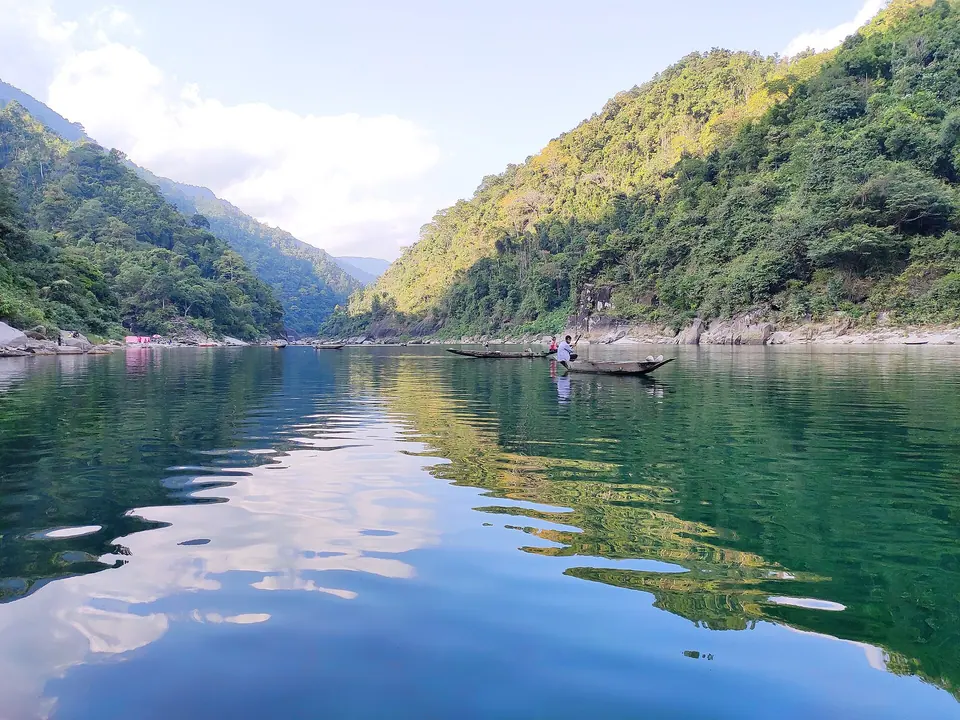
Not really. From June to September the Umngot River turns muddy and fast, and the district usually suspends boating during high water. The famous clear-water view returns from about November. That is why this monsoon trip focuses on Sohra and Mawsynram instead.
Pack a hooded rain jacket or poncho, an umbrella, quick-dry trousers, several pairs of socks, sandals with grip for wet days and closed shoes for caves. Bring a dry bag for cameras and phones, and a light fleece, because rain at 1,500 m can feel cold even in July.
Yes, on grassy verges and forest paths, especially around Mawsynram and the lower slopes. They are harmless but unpleasant. Wear closed shoes and long socks, tuck trousers in, and check your ankles after walks. Salt or a pinch of tobacco removes them. Paved viewpoints and caves rarely have any.
Still wondering? Ask a trip planner
 Shillong
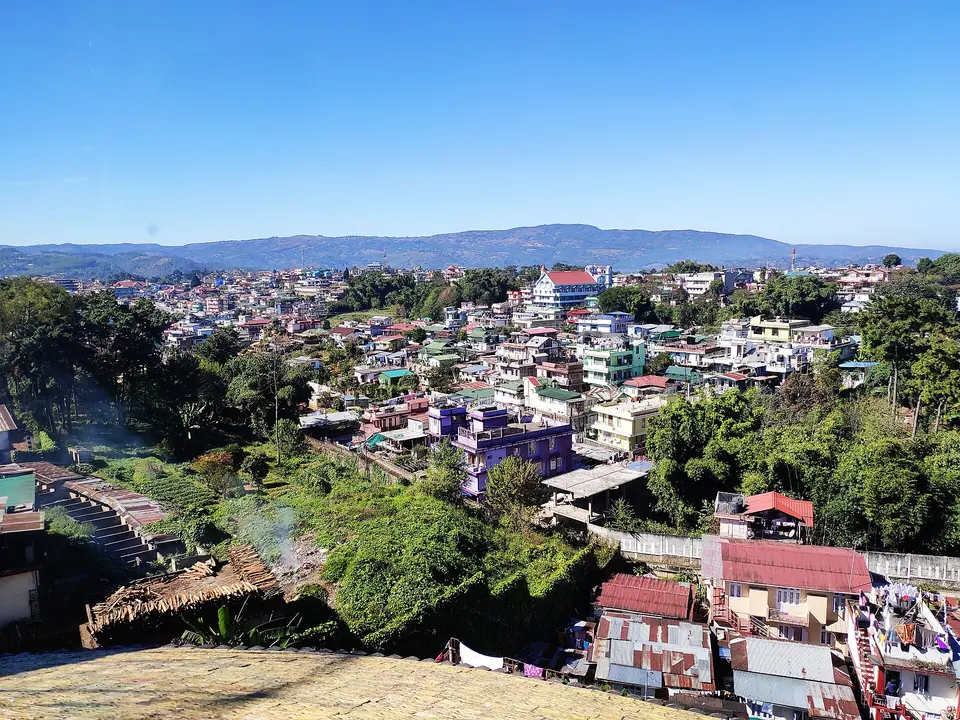
Meghalaya's pine-cooled capital and the base for most trips
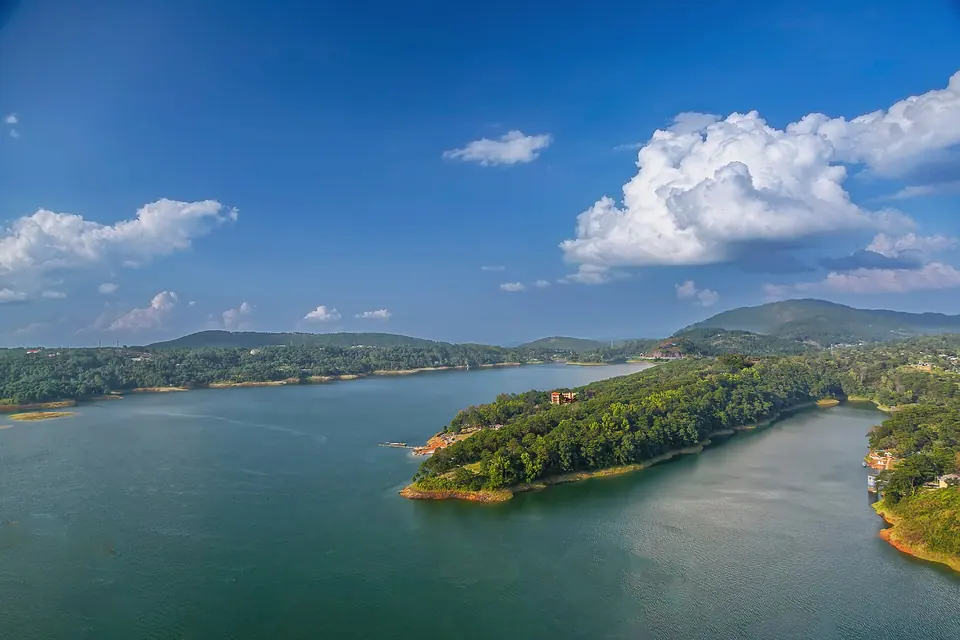 Umiam Lake
A pine-ringed reservoir 15 km north of Shillong on the Guwahati road
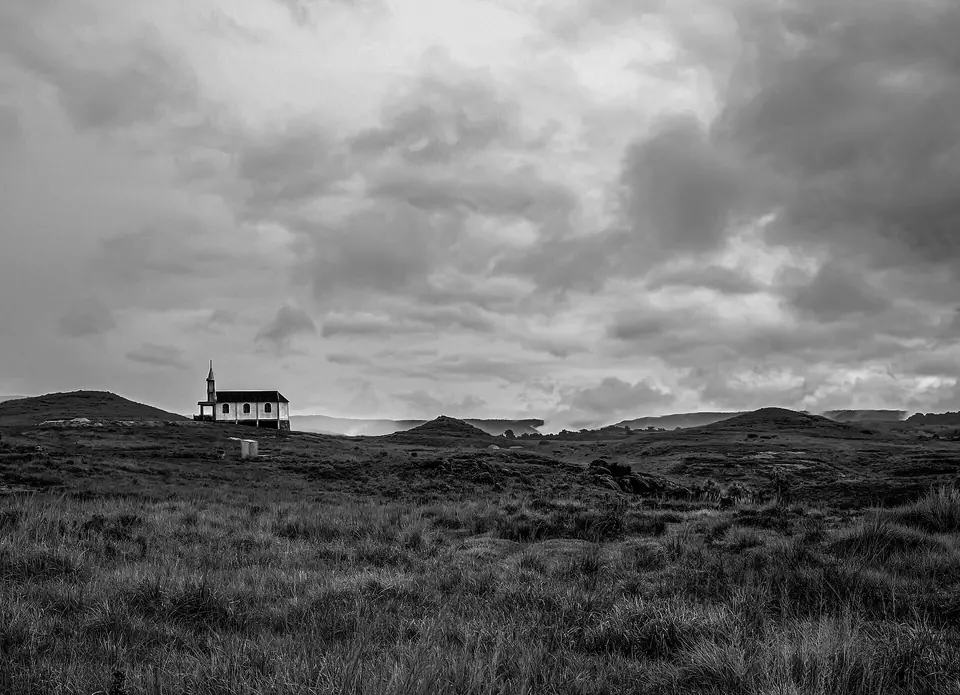 Mawsynram
The rain-record village on the edge of the Khasi Hills
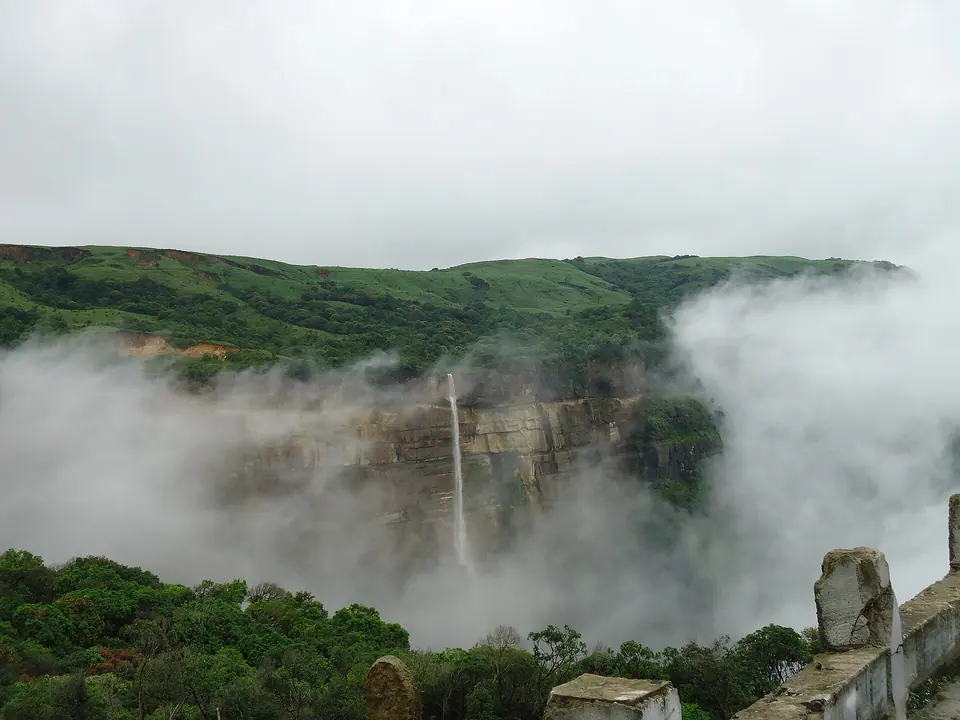 Sohra (Cherrapunji)
Rain-record town on a plateau edge, ringed by falls and root bridges
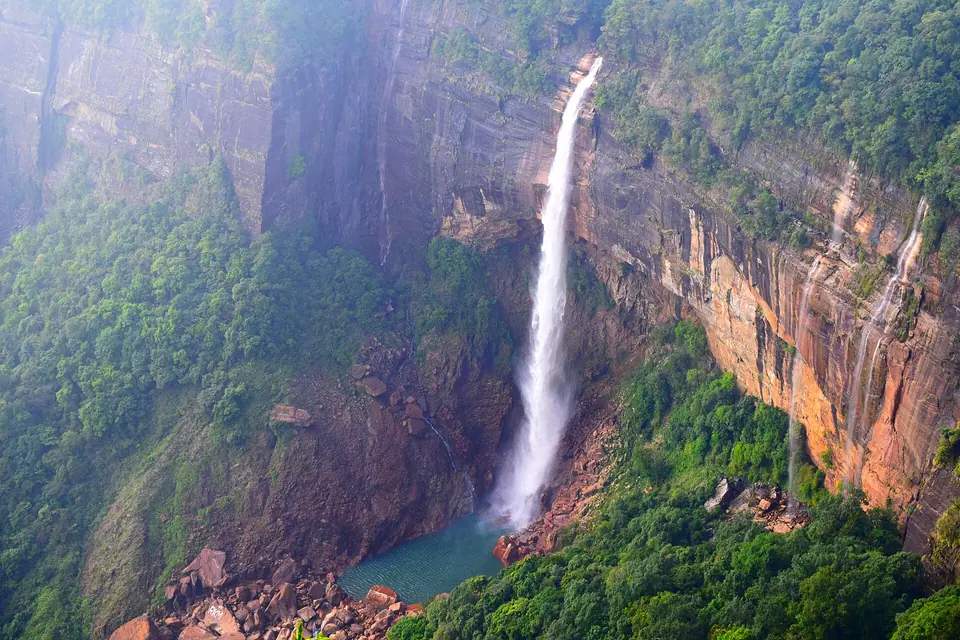 Nohkalikai Falls
India's tallest plunge waterfall, dropping about 340 m near Sohra
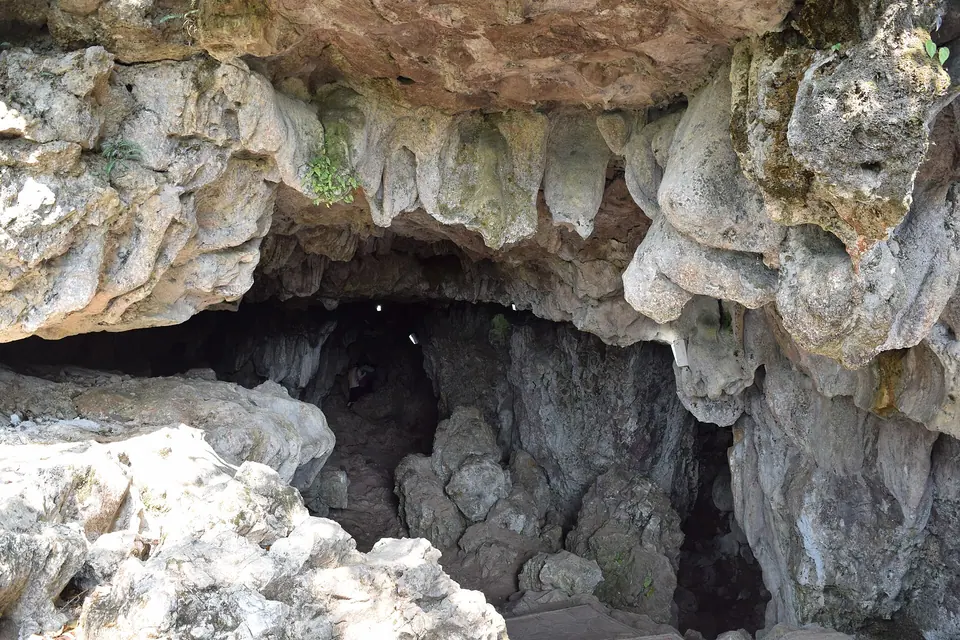 Mawsmai Cave
A lit limestone cave south of Sohra with a 150 m squeeze-through walk
Change the pace, swap a place or add a safari. Tell us what to adjust and we’ll send a revised plan and price.
We use a few cookies
Essential storage keeps your saved trips and theme. With your OK we’d also use analytics to see which guides help people. No ads, no selling data. Cookie policy