
Meghalaya Caves: Which to Visit and How to Go Safely
Meghalaya caves compared: Mawsmai, Arwah, Mawmluh, Mawjymbuin, Siju and Krem Liat Prah, with distances, time needed, safety rules and the best months to go.
Shillong Trip Travel Desk · Updated · 9 min read
 Sujan Bandyopadhyay · Commons · CC BY-SA 4.0
For most visitors, the Meghalaya caves to see are Mawsmai and Arwah near Sohra, both walk-in caves that take under an hour, and Mawjymbuin near Mawsynram. Mawmluh and Siju need a local guide and wet-weather gear. Krem Liat Prah, about 34 km long, is expedition caving only. Go between November and April.
Key takeaways
- Mawsmai and Arwah, both close to Sohra, are the only caves we send casual visitors into without a caving guide; each takes 30–60 minutes.
- Krem Liat Prah on the Shnongrim ridge in East Jaintia Hills is about 34 km long and is recorded as the longest natural cave in South Asia, but it is for equipped expeditions, not day visitors.
- Mawmluh Cave near Sohra, about 7.2 km long, holds the reference point for the Meghalayan Age, the most recent stage of geological time.
- November to April is caving season. From June to September, water levels rise fast and several caves close or become dangerous.
- Most caves sit on community land; pay the village fee, hire the local guide and follow the headman's rules.
- Wear shoes with grip that can get wet, carry a headlamp and never enter an undeveloped cave without a guide.
On this page 17 sections
- Why Meghalaya has so many caves
- The caves compared
- Mawsmai: the easy one
- Arwah: fossils and fewer people
- Mawjymbuin: the cave with the stalagmite
- Mawmluh: a cave that defined an age
- Siju: bats and a river in the Garo Hills
- Krem Liat Prah and the Jaintia Hills
- Which cave for which traveller
- What a guided cave trip looks like
- Is caving in Meghalaya dangerous
- Photographing underground
- Pressure on the caves
- Cave rules and etiquette
- What to bring
- When to go
- How we'd plan it
- FAQs
Switch off your torch 200 metres into Mawmluh and the dark is total. You hear water running somewhere below, a drip near your ear, and the guide's breathing. Then he clicks the lamp back on, and the wall beside you is streaked with calcite that took thousands of years to form.
Meghalaya sits on some of the most cave-riddled rock in Asia. Cavers have recorded well over a thousand caves here, and the longest known natural cave in South Asia runs under a ridge in the Jaintia Hills. Most visitors see one lit cave for 40 minutes. This guide covers that cave and what lies beyond it, with honest notes on who should go where.
Why Meghalaya has so many caves
The southern edge of the Meghalaya plateau is limestone and sandstone that drops steeply toward the Bangladesh plains. It receives some of the heaviest rainfall on Earth, with Sohra and Mawsynram recording annual totals above 11,000 mm in many years. That water is slightly acidic, and over millions of years it has dissolved passages through the rock.
The result is cave country along a belt from the Garo Hills in the west, through the Khasi Hills around Sohra and Mawsynram, to the Jaintia Hills in the east. Local and international teams have mapped these caves every winter for more than three decades, notably through the Meghalayan Adventurers' Association and its long-running Caving in the Abode of the Clouds expeditions, which began in the early 1990s.
The caves compared
| Cave | Area | From Shillong | Type | Time needed | Guide needed |
|---|---|---|---|---|---|
| Mawsmai | Sohra, East Khasi Hills | ~60 km, 2 hrs | Lit show cave | 30–45 min | No |
| Arwah | Sohra | ~57 km, 2 hrs | Walkway, then cave | 45–60 min | No |
| Mawjymbuin | Mawsynram | ~60 km, 2 hrs | Short natural cave | 30 min | Local help useful |
| Mawmluh | Sohra | ~55 km, 1.5–2 hrs | Wet, undeveloped | 2–4 hrs | Yes |
| Siju | South Garo Hills | Long day from Tura | River cave | 2–3 hrs | Yes |
| Krem Liat Prah | Shnongrim, East Jaintia Hills | ~4 hrs | Expedition cave | Days | Caving team only |
Distances are approximate by road and change with the route. Check current status before you travel, especially after heavy rain.
Mawsmai: the easy one
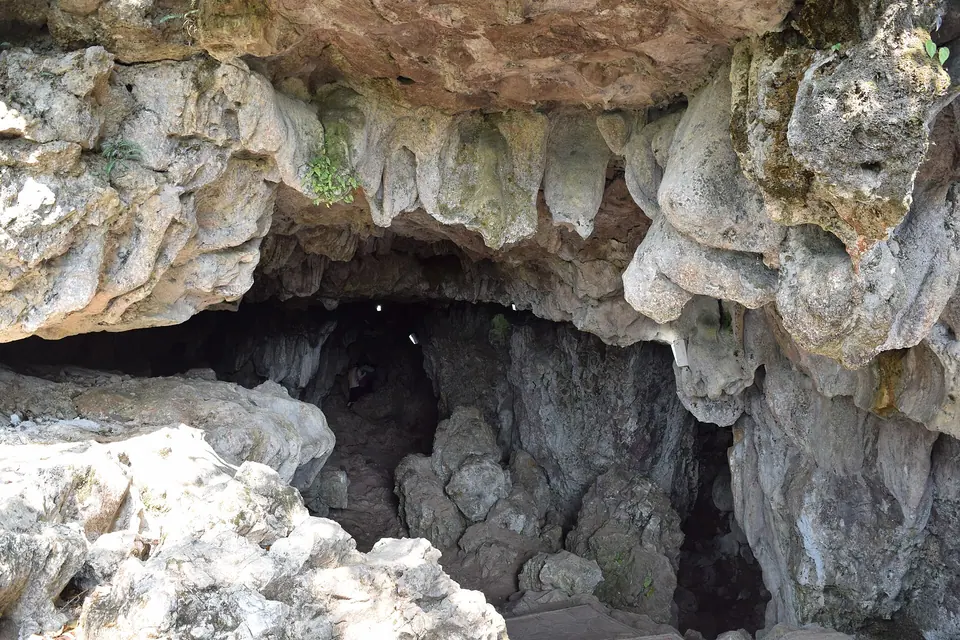
Mawsmai Cave is where nearly every Sohra day trip stops, and for good reason. The tourist route is roughly 150 metres, electrically lit, with a clear way in and out.
What to expect:
- A wide entrance, then a narrowing passage with stalactites and flowstone
- Two or three tight spots where adults turn sideways or crouch
- Wet floors throughout; many people go barefoot or in sandals
- Crowds from about 11 am, especially on weekends and in October and December
Go before 10 am for space to look properly. Entry is a small fee at the gate, and a camera fee may apply. The cave has closed on some days in extreme rain.
Arwah: fossils and fewer people
Arwah, a short drive from Sohra market, starts with a paved walkway along the hillside with views across the valley. The cave itself is larger and more open than Mawsmai near the entrance and much quieter.
The reason to go is in the walls: marine fossils embedded in the limestone, a reminder that this rock formed under a sea. Allow 45–60 minutes, including the walk. It pairs well with Mawsmai on a single morning in Sohra.
Mawjymbuin: the cave with the stalagmite
Near Mawsynram, Mawjymbuin is a short natural cave known for a large dome-shaped stalagmite under a steady drip of water. Many visitors come for that one formation, which has religious significance for some Hindu pilgrims.
Access is a short walk and a scramble over wet rock. It suits most reasonably fit visitors and takes about 30 minutes. Combine it with the drive through Mawsynram's rainfall country and the viewpoints on the road back.
Mawmluh: a cave that defined an age
Mawmluh sits just outside Sohra town. At about 7.2 km, it is one of the longest caves in the Indian subcontinent. It is not a show cave: there is no lighting, the floor is wet, and parts require wading.
Its fame is scientific. In 2018, geologists defined the Meghalayan Age, the most recent stage of Earth's history, beginning about 4,200 years ago, using a stalagmite from Mawmluh. In 2022 the International Union of Geological Sciences named it one of its first 100 geological heritage sites.
We only take guests in with an experienced local caving guide, helmets and headlamps, and only between November and April. A two-to-four-hour trip goes deep enough to understand why cavers love this belt.
Siju: bats and a river in the Garo Hills
Siju, in South Garo Hills beside the Simsang river, is one of the best-known caves in the west of the state. The entrance section is accessible with a guide; deeper passages involve water and are for experienced cavers. The cave is home to large bat colonies.
Siju is far from Shillong, so we fold it into a Garo Hills trip with Balpakram National Park. Our Garo Hills and Balpakram route is built for this corner.
Krem Liat Prah and the Jaintia Hills
The Shnongrim ridge in East Jaintia Hills holds about 150 known caves. Krem Liat Prah, at about 34 km, is recorded as the longest natural cave in South Asia, with a trunk passage cavers call the Aircraft Hangar.
It is not a tourist site. Exploring it means ropes, survey gear and days underground with a caving team. Around the ridge, and along the road east of Jowai, village guides lead shorter trips into smaller caves; the quality of guiding varies a lot, so we arrange these only through people we have used before. Our Jaintia Hills trip can add a guided cave morning for fit travellers.
Another record belongs to Meghalaya too. Krem Puri, near Mawsynram, has been reported at about 24.5 km, the longest known sandstone cave in the world. Like Liat Prah, it is for expeditions only.
Which cave for which traveller
We match caves to people, not the other way round. This is the shortlist we start from.
| Traveller | Our pick | Why |
|---|---|---|
| Family with children under 8 | Arwah walkway and entrance | Open, no squeezes, good views outside |
| Family with older children | Mawsmai before 10 am | Short, lit, a small adventure |
| Seniors with fair mobility | Arwah, then Mawsmai entrance only | Minimal climbing, easy exit |
| Fit adults, first time caving | Guided Mawmluh, 2–3 hours | Real cave, manageable with a guide |
| Photographers | Arwah and Mawmluh | Space for a tripod, fewer people |
| Experienced cavers | Jaintia Hills with a caving team | Serious passage, needs planning |
What a guided cave trip looks like
A half-day trip into an undeveloped cave follows a pattern, whichever cave you choose.
- Briefing at the village: the guide checks shoes, lights and fitness, explains the route and the turnaround time. Fees are paid here.
- Walk to the entrance: anything from five minutes to an hour on village paths, sometimes through areca and betel plantations.
- Kit check at the mouth: helmets on, headlamps tested, phones into dry bags.
- The cave itself: expect crawling in places, wading to knee or waist height in some caves, climbing over boulders and long stretches of simply walking in the dark.
- Turnaround: a good guide turns back at a set time regardless of how far you have got. That rule keeps people safe.
- Out and changed: a hot tea in the village and a change of clothes.
Guides do not follow a standard fee, and the price depends on group size, cave and hours. We agree it in advance so there is no discussion at the cave mouth.
Is caving in Meghalaya dangerous
The show caves are about as risky as a wet staircase. Slips and bumped heads are the main hazards, and a helmet or a little patience prevents most of them.
Undeveloped caves are different. The real risks are sudden water rise after rain, getting lost in a maze passage such as Mawmluh's, and cold after hours in wet clothes. None of these are a concern with a guide who knows the cave, a fixed turnaround time and the right season. They are serious without them. There is no cave rescue service on standby for tourists, which is one more reason to stay inside your experience level.
Photographing underground
Phones struggle in the dark, and a few settings make a real difference:
- Use night mode and brace the phone against rock rather than hand-holding
- Ask a companion to light the scene from the side with a headlamp; front light flattens formations
- Keep flash away from bats and away from other people's eyes
- Wipe the lens often; humidity fogs it within minutes
- Bring a small tripod only for Arwah or Mawmluh; Mawsmai is too narrow and crowded
Pressure on the caves
Meghalaya's caves face real threats. The same limestone that forms them is quarried for cement, and there are cement plants in the Sohra area and in East Jaintia Hills. Coal and limestone mining have damaged some cave systems, and plastic from roadside stops washes into others. Cavers have campaigned for years for stronger protection of the most important systems.
As a visitor, you help by choosing community-run caves, paying the village fee and leaving nothing behind.
Cave rules and etiquette
Most of Meghalaya's caves are on community land governed by the village durbar and its headman. The rules we follow and ask our guests to follow:
- Pay the village fee and hire the local guide. That money is often the village's only income from the cave.
- Do not touch formations. Oil from skin stops calcite growth, and broken stalactites never grow back.
- No graffiti, no smoking, no litter. Carry out every wrapper and bottle.
- Leave bats alone. No flash directly at roosts and no shouting in bat chambers.
- Never enter an undeveloped cave without a guide, and never alone.
- Turn back if it rains hard. Water levels in river caves can rise in under an hour.
- Respect sacred sites. Some caves and formations carry religious meaning; ask before photographing worshippers.
Meghalaya also requires accommodation providers to register every tourist, so carry ID. Our Meghalaya travel rules guide covers fees and registration in full.
What to bring
| Item | Show caves | Guided caves |
|---|---|---|
| Shoes | Grippy sandals or bare feet | Wet-grip trainers or rubber boots |
| Light | Phone torch as backup | Headlamp plus spare batteries |
| Head | Not needed | Helmet (guide usually provides) |
| Clothes | Quick-dry, may get splashed | Full-length, will get muddy |
| Bag | Small, both hands free | Dry bag for phone and camera |
| After | Towel | Full change of clothes |
When to go
November to April is caving season. Rain is low, water levels are down and access paths are dry. December to February is cool, around 8–15°C in Sohra, and the caves feel warmer than outside.
From June to September, the show caves near Sohra usually stay open, but we do not take anyone into undeveloped caves. Monsoon storms can flood passages fast. Our best time to visit Meghalaya guide covers the months in detail.
How we'd plan it
For most travellers, caves are one part of a Sohra stay:
- Day 1: drive from Shillong to Sohra, stopping at Arwah in the afternoon
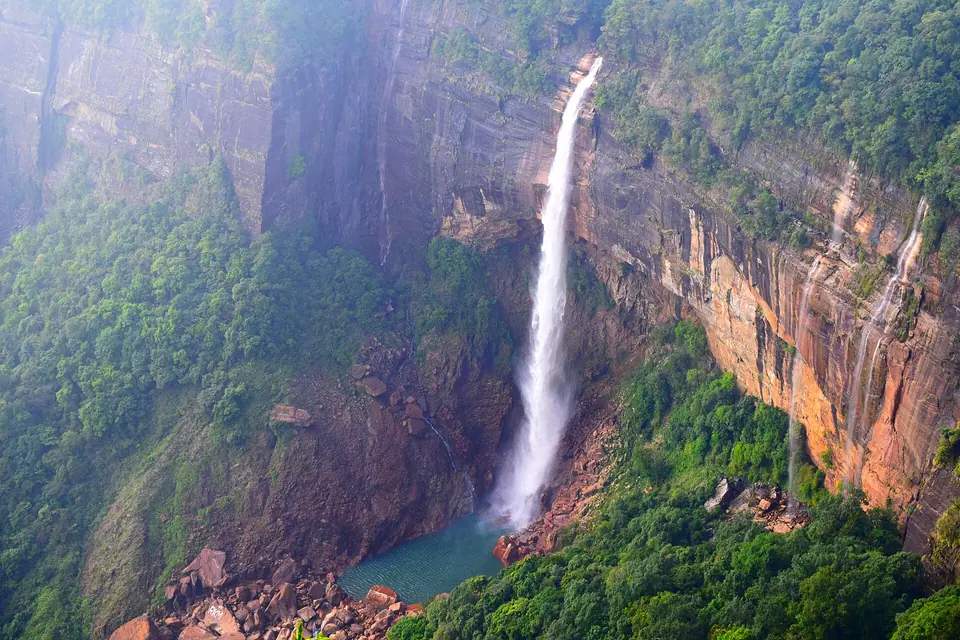
- Day 2: Mawsmai at 9 am before the crowds, then Nohkalikai Falls and a viewpoint; overnight Sohra
- Day 3: optional guided Mawmluh trip in the morning, or Mawsynram and Mawjymbuin, then back to Shillong
That fits inside our Shillong and Cherrapunji trip, and our Meghalaya Family Holiday includes Mawsmai at an easy pace. For more of the region, the Cherrapunji travel guide covers the waterfalls and root bridges nearby.
For guests who want something harder, Caves, Canyons and Camping adds a guided cave, Laitlum and a riverside camp.
Tell us your fitness level and dates on our contact page and we will suggest the right caves for you.